
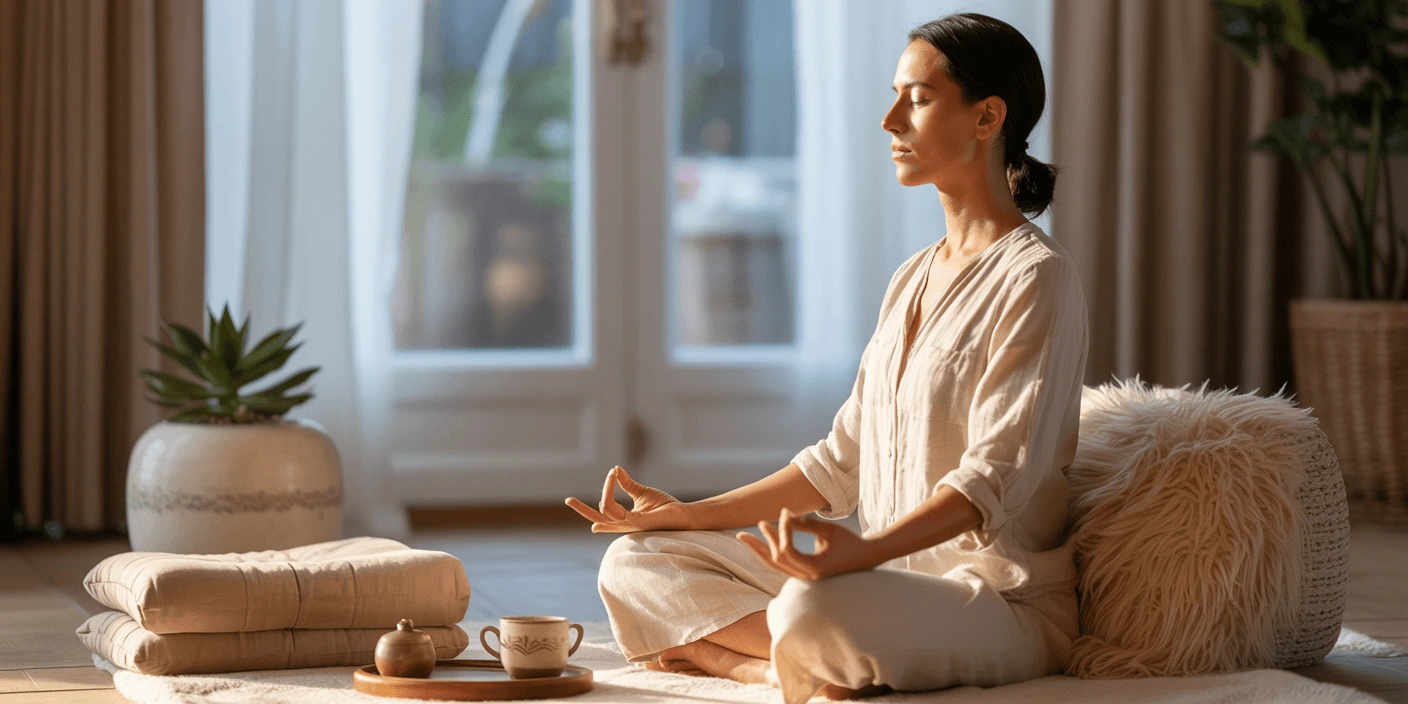
Stress is a normal part of life, but when it becomes constant, it can affect your sleep, mood, focus, and overall well-being. If you want to reduce stress with mindfulness, the goal is not to eliminate every stressful moment, but to learn how to respond with more calm, awareness, and control.
Mindfulness gives you practical tools to slow down, reset your attention, and create space between a stressful trigger and your reaction. Over time, this simple habit can make daily pressure easier to manage.
What Mindfulness Means
Mindfulness is the practice of paying attention to the present moment with curiosity and without judgment. It can be done through breathing, meditation, walking, eating, or simply noticing your thoughts and feelings.
The goal is not to stop your thoughts. The goal is to observe them without getting pulled into them. That simple shift can help reduce mental overload and support a calmer state of mind.
Why Mindfulness Helps Reduce Stress
Stress often keeps the body in a state of alert. You may notice muscle tension, shallow breathing, racing thoughts, irritability, or trouble sleeping.
Mindfulness can help interrupt that pattern. When you reduce stress with mindfulness, you bring attention back to the present and create space between a stressful trigger and your reaction. This can support relaxation, emotional balance, and better focus throughout the day.
According to trusted health sources like the American Psychological Association, mindfulness meditation may help reduce stress and improve emotional regulation. You can also review more research through Harvard Health and the Mayo Clinic.
Benefits of Mindfulness for Mental Health
| Benefit | How It Helps |
|---|---|
| Better emotional regulation | Helps you respond more calmly instead of reacting automatically. |
| Improved focus | Trains attention and reduces mental distraction. |
| Less mental overload | Helps quiet racing thoughts and constant worry. |
| More self-awareness | Makes it easier to notice stress patterns early. |
| Better sleep quality | A calmer mind can make it easier to relax at night. |
| Greater sense of calm | Supports a more grounded and balanced feeling during the day. |
These benefits usually build gradually with consistent practice.
Best Mindfulness Techniques for Stress Relief
If your goal is to reduce stress with mindfulness, start with simple techniques that are easy to repeat every day. Even a few minutes of practice can help calm the mind and support a more balanced response to stress.
Breath Awareness Meditation
Sit in a quiet place and focus on your breathing. Notice each inhale and exhale without trying to change anything.
If your attention drifts, gently bring it back to the breath. This simple exercise can help calm the mind in just a few minutes.
Body Scan Meditation
A body scan helps you notice where stress is stored in the body. Slowly move your attention from your head to your feet and observe any sensations you feel.
This practice is especially useful before sleep or when stress builds up during the day.
Guided Meditation
Guided meditation is helpful for beginners because a voice leads you through the practice. This can make it easier to stay focused and relaxed while you reduce stress with mindfulness in a simple, structured way.
Many people use guided sessions for stress relief, better sleep, or emotional reset. If you want a deeper introduction, add an internal link here to your article on meditation for beginners.
Mindful Walking
Walking mindfully means paying attention to each step, your breathing, and the feeling of movement.
It is a great option if sitting still feels difficult, and it can be done anywhere, even during a short break.
Loving-Kindness Meditation
This practice focuses on kindness and compassion. You repeat gentle phrases such as “May I be calm” or “May I be at ease.”
It can help soften inner tension and support emotional well-being.
Simple Daily Mindfulness Habits
You do not need a long meditation session to benefit from mindfulness. Small daily habits can help you reduce stress with mindfulness over time and make calm responses feel more natural.
- Take three slow breaths before checking your phone.
- Eat one meal without distractions.
- Pause before replying to a stressful message.
- Notice tension in your shoulders, jaw, or hands.
- Spend a few quiet minutes before bed.
These little moments help make mindfulness part of your day instead of something extra you have to fit in.
When Mindfulness Helps Most
Mindfulness can be useful at almost any time, but it is especially helpful when you want to reduce stress with mindfulness during moments of pressure, worry, or mental overload.
- You feel overwhelmed.
- Your mind is racing.
- You are feeling anxious.
- You have trouble sleeping.
- You need a reset during a stressful day.
Even one minute of awareness can help bring you back to center.
For readers who want more health guidance, you can also link out to medical resources like Cleveland Clinic, NIH, or PubMed for deeper reading.
How to Stay Consistent
Consistency matters more than duration. A short practice every day is more effective if your goal is to reduce stress with mindfulness in a realistic, sustainable way.
To stay consistent:
- Pick one time each day.
- Start with just 3 to 5 minutes.
- Keep the practice simple.
- Use guided audio if needed.
- Do not judge yourself when your mind wanders.
Mindfulness gets easier the more you practice it.
When to Seek Professional Help
Mindfulness can be helpful for everyday stress, but it is not a substitute for medical or mental health care. If stress becomes severe, persistent, or begins to affect your work, relationships, or physical health, it is important to speak with a doctor or licensed professional.
Trusted medical sources such as the Mayo Clinic and Harvard Health note that meditation can support stress management, but serious symptoms may need additional care. If needed, add an internal link here to your article on [anxiety support] or [how to improve sleep naturally].
FAQ to reduce stress with mindfulness
How long should I meditate to reduce stress?
Even 5 to 10 minutes a day can help if you stay consistent.
What is the easiest mindfulness exercise for beginners?
Breath awareness is one of the simplest and most effective options.
Can mindfulness help with anxiety?
Mindfulness may help calm anxious thoughts and improve emotional control.
Do I need special tools?
No. You only need a quiet place and a few minutes of attention.
mindfulness for stress relief Conclusion
If you want to reduce stress with mindfulness, start small and stay consistent. Breathing exercises, body scans, guided meditation, and mindful walking can all help you feel calmer, more present, and better able to handle daily stress.
You do not need to do everything perfectly. A few mindful minutes each day can slowly change how you handle stress and improve your overall well-being.
- Subscribe to our newsletter and follow us on social media.
- Follow us on social media for more tips and updates.
- Share this article and pin it for later.
- Subscribe, follow, and stay connected with us.
1 thought on “Powerful Ways to Reduce Stress with Mindfulness and Meditation”