
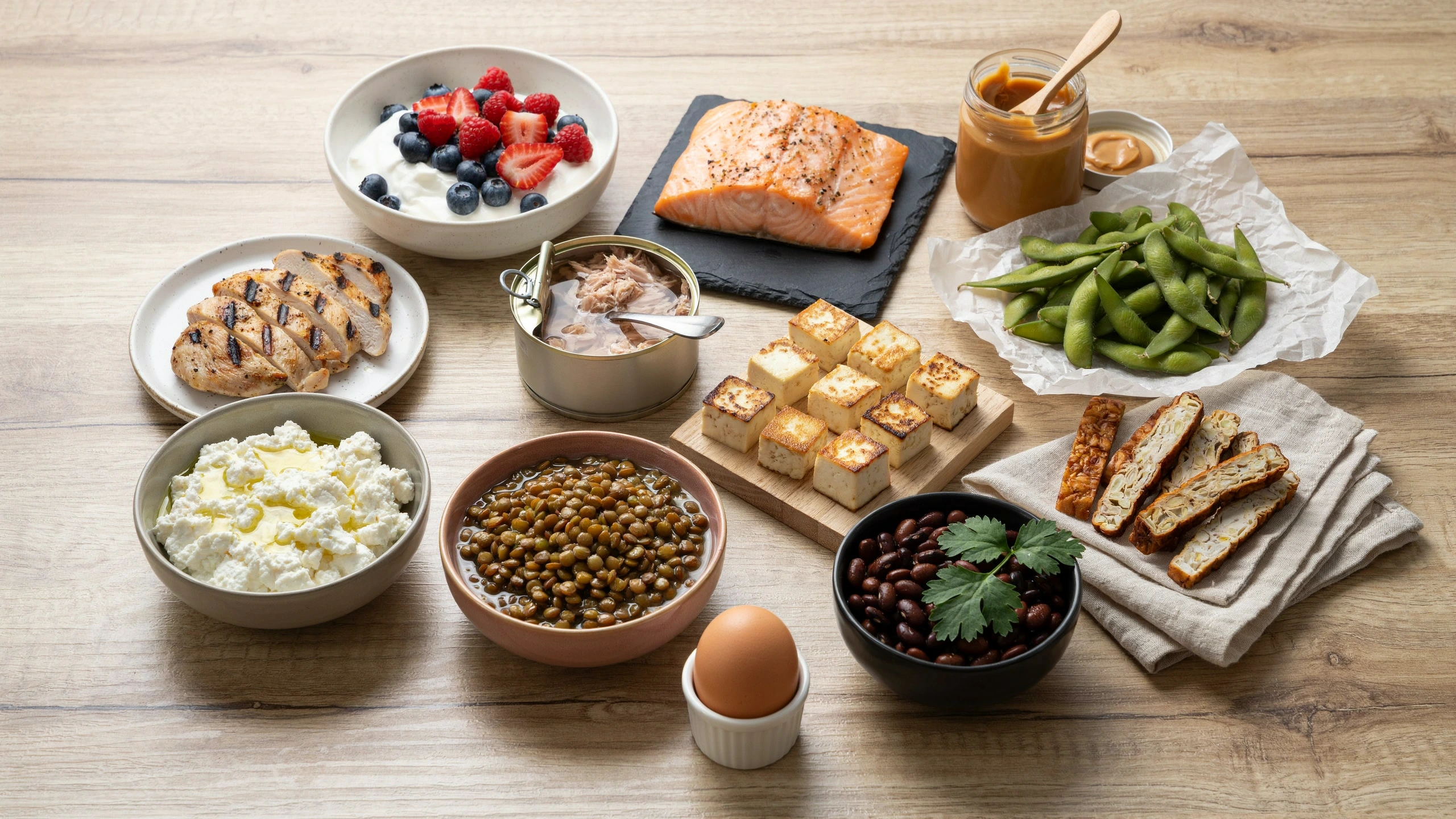
Foods with more protein than an egg can help you add variety to your meals while supporting your daily protein intake. One large egg provides about 6 grams of protein, but many nutritious foods offer the same amount—or substantially more—per serving.
Eggs are convenient and nutrient-dense, but they are far from the only practical protein choice. Whether you want more breakfast variety, follow a plant-forward diet, or need simple high-protein meal ideas, these foods can help you meet your needs without relying on eggs every day.
Important: “More protein than an egg” depends on portion size. A food may offer more protein per serving but also provide more calories, sodium, or fat. Focus on the overall quality and balance of your meal—not only the protein number.
Why Protein Matters
Protein is essential for muscle maintenance and repair, immune function, and many processes throughout the body. Individual needs can differ based on age, body size, activity level, medical conditions, and personal goals.
The quality of a protein food matters too. A balanced protein choice can also provide fiber, healthy fats, calcium, iron, vitamin B12, omega-3 fats, or other helpful nutrients. Variety is usually more useful than trying to find one “perfect” protein source.
For more practical meal inspiration, explore:
- The Ultimate Proven Guide to Anti-Inflammatory Foods (+ 7-Day Meal Plan)
- Ultimate 7-Day Prebiotic Meal Plan for Better Digestion, Gut Health, and Energy
- Healthy Plant-Based and Vegan Recipes
11 Foods With More Protein Than an Egg
| Food | Typical serving | Approximate protein | Why it is useful |
|---|---|---|---|
| Greek yogurt, plain | 6 oz / 170 g | 17 g | Protein and calcium |
| Cottage cheese | ½ cup | 13–14 g | Protein-rich and versatile |
| Chicken breast | 3 oz cooked / 85 g | 25 g | Lean, versatile protein |
| Canned tuna | 3 oz / 85 g | 20 g | Convenient pantry protein |
| Salmon | 3 oz cooked / 85 g | 19 g | Protein plus omega-3 fats |
| Tempeh | 3 oz / 85 g | 18 g | Plant protein and fiber |
| Firm tofu | 3 oz / 85 g | About 13 g | Versatile plant-based protein |
| Edamame | ½ cup cooked | About 9 g | Protein, fiber, and folate |
| Lentils | ½ cup cooked | About 9 g | Protein, fiber, iron, and folate |
| Black beans | ½ cup cooked | About 7 g | Protein and fiber |
| Peanut butter | 2 tablespoons | 7–8 g | Convenient but calorie-dense |
Protein amounts vary by brand, recipe, cooking method, and serving size. Check a product’s nutrition label for the most accurate value, or use the USDA FoodData Central database for general nutrition information.
These foods with more protein than an egg offer practical choices for breakfast, snacks, lunch, and dinner.
1. Greek Yogurt
Greek yogurt is one of the easiest high-protein alternatives to eggs. “A 6-ounce serving of plain Greek yogurt can provide about 17 grams of protein—almost three times as much protein as one large egg.”
Choose plain Greek yogurt when possible, then add berries, cinnamon, nuts, seeds, or oats. It works well for breakfast, snacks, smoothies, sauces, and overnight oats.
Easy idea: Mix Greek yogurt with berries, chia seeds, and a spoonful of peanut butter.
2. Cottage Cheese
Cottage cheese can provide about 13–14 grams of protein per half-cup serving. It is also a source of calcium and can be used in both sweet and savory meals.
Try it with fruit and cinnamon, spread it on toast with tomatoes, blend it into a dip, or add it to scrambled eggs for an extra protein boost.
Easy idea: Serve cottage cheese with sliced peaches, walnuts, and cinnamon.
3. Chicken Breast
A 3-ounce cooked serving of chicken breast can provide approximately 25 grams of protein. It is a practical meal-prep option because it can be used in salads, wraps, grain bowls, soups, and stir-fries.
For a more balanced meal, pair chicken with vegetables, a fiber-rich carbohydrate, and a healthy fat.
Easy idea: Add cooked chicken breast to a quinoa bowl with roasted vegetables and yogurt-herb sauce.
4. Canned Tuna
Canned tuna is a convenient pantry protein that can provide about 20 grams of protein in a 3-ounce serving. It is useful for quick lunches, sandwiches, salads, pasta dishes, and wraps.
Choose lower-sodium varieties when possible, and vary your seafood choices rather than eating one type of fish every day.
Easy idea: Make a tuna and white bean salad with cucumber, olive oil, lemon juice, and fresh herbs.
5. Salmon
A 3-ounce cooked serving of salmon provides around 19 grams of protein. Salmon also contains omega-3 fats, making it a nutrient-rich option for lunch or dinner.
Pair salmon with vegetables and a satisfying carbohydrate source, such as potatoes, brown rice, quinoa, or whole-grain bread.
Easy idea: Bake salmon with lemon and herbs, then serve it with roasted sweet potatoes and green vegetables.
6. Tempeh
Tempeh is a fermented soy food with a firm texture and slightly nutty flavor. A 3-ounce serving can provide approximately 18 grams of plant-based protein, along with fiber and minerals.
Although tempeh is fermented, it should mainly be valued for its protein, fiber, and nutrients rather than assumed to be a reliable source of live probiotics.
Easy idea: Marinate tempeh in soy sauce, garlic, and a little maple syrup, then bake it for grain bowls or sandwiches.
7. Firm Tofu
Firm tofu is a versatile soy-based food that can provide about 13 grams of protein in a 3-ounce serving. Protein content can vary by brand, so check the package label.
Use tofu in stir-fries, soups, curries, tacos, salads, and grain bowls. Pressing firm tofu before cooking can help it absorb marinades and become crispier.
Easy idea: Pan-sear tofu cubes with vegetables and serve over rice with sesame sauce.
8. Edamame
Edamame are young soybeans that provide about 9 grams of protein per half-cup cooked serving. They also offer fiber, folate, and other nutrients.
They are quick to prepare and work well as a snack, appetizer, salad topping, or addition to grain bowls.
Easy idea: Toss shelled edamame into a salad with cucumber, avocado, sesame seeds, and ginger-lime dressing.
9. Lentils
A half-cup of cooked lentils provides about 9 grams of protein, along with fiber, iron, potassium, and folate. Lentils are affordable, shelf-stable, and simple to include in soups, curries, salads, and pasta sauces.
Because they contain fiber, lentils can help make a meal more filling.
Easy idea: Make lentil soup with carrots, celery, tomatoes, garlic, and herbs.
10. Black Beans
A half-cup of cooked black beans provides around 7 grams of protein, which is slightly more than a large egg. They also offer fiber and can be an affordable staple for plant-forward meals.
Rinse canned black beans before using them to reduce some sodium.
Easy idea: Build a black bean bowl with brown rice, corn, salsa, avocado, and shredded cabbage.
11. Peanut Butter
Two tablespoons of peanut butter provide about 7–8 grams of protein. It is convenient, affordable, and satisfying, but it is also calorie-dense, so portion size matters.
Choose peanut butter with peanuts as the first ingredient and little or no added sugar when possible.
Easy idea: Spread peanut butter on whole-grain toast and add banana slices and chia seeds.
How to Build a High-Protein Meal
A high-protein meal does not need to be complicated. Use this simple formula:
- Choose a protein source: Greek yogurt, chicken, salmon, tofu, lentils, beans, or tempeh.
- Add a fiber-rich carbohydrate: oats, whole-grain bread, quinoa, brown rice, potatoes, or fruit.
- Add vegetables or fruit.
- Add healthy fats: nuts, seeds, avocado, olive oil, or tahini.
Example: A bowl of Greek yogurt, berries, oats, pumpkin seeds, and peanut butter provides protein, fiber, healthy fats, and carbohydrates for sustained energy.
Choosing Protein Sources Wisely
The best protein source depends on your preferences, budget, health needs, and eating pattern. Aim for variety across the week.
- Choose plain dairy products to limit added sugar.
- Choose lower-sodium canned fish and beans when possible.
- Include beans, lentils, tofu, tempeh, nuts, and seeds for plant-based variety.
- Include fish regularly if it fits your diet.
- Pair protein with fiber-rich foods for a more balanced meal.
- Check nutrition labels because protein content differs by brand and serving size.
For general nutrition guidance, visit the Harvard T.H. Chan School of Public Health Nutrition Source. Harvard’s Healthy Eating Plate encourages a balanced pattern that includes vegetables, fruit, whole grains, healthy fats, and varied protein foods such as fish, poultry, beans, and nuts.nutritionsource.hsph.harvard+1
Frequently Asked Questions
How much protein is in one egg?
One large egg generally contains about 6 grams of protein. The exact amount can vary slightly depending on the egg’s size.
What foods have more protein than an egg?
Foods with more protein than an egg include Greek yogurt, cottage cheese, chicken breast, tuna, salmon, tempeh, firm tofu, edamame, lentils, black beans, and peanut butter.
What food has the most protein per serving?
Chicken breast, tuna, salmon, and other lean animal proteins often provide more than 20 grams of protein per standard 3-ounce serving. Greek yogurt, cottage cheese, tempeh, tofu, lentils, and beans are also practical choices.
Are plant proteins as good as animal proteins?
Plant proteins can absolutely support a healthy diet. Different foods contain different amino acids, so consuming a variety of beans, lentils, soy foods, grains, nuts, and seeds supports a broader nutrient intake.
Is Greek yogurt higher in protein than regular yogurt?
Usually, yes. Greek yogurt is strained, which often concentrates its protein compared with regular yogurt. Check the nutrition label because values differ between brands.
Can I eat too much protein?
Very high protein intake may not be appropriate for everyone, especially people with certain kidney conditions or medical dietary restrictions. If you have a health condition or are uncertain about your needs, speak with a registered dietitian or healthcare professional.
Are eggs still healthy?
Yes. Eggs can be part of a balanced diet and provide protein along with nutrients such as choline and B vitamins. The goal is not to eliminate eggs, but to include variety in your protein choices.
Add More Protein to Your Meals
Ready to try more foods with more protein than an egg? Start with one easy swap this week: Greek yogurt for breakfast, lentils in soup, tempeh in a stir-fry, or salmon with roasted vegetables.
Explore our healthy recipes.
1 thought on “11 Foods With More Protein Than an Egg”