
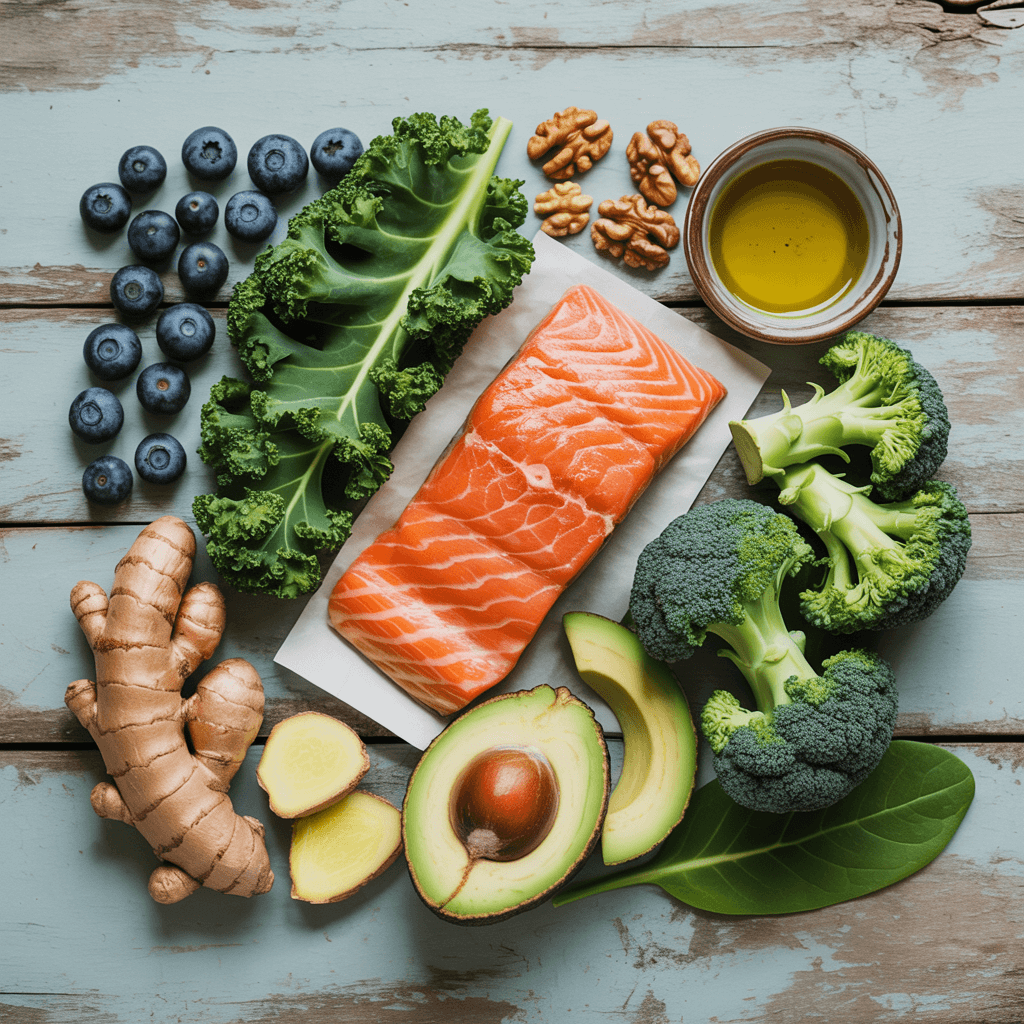
Inflammation is a double-edged sword—essential in small bursts to defend the body, but potentially harmful when it becomes chronic. In recent years, anti-inflammatory diets have gained massive attention among health professionals, dietitians, and researchers for their role in supporting long-term wellness, disease prevention, and even gut health. This comprehensive guide explores what anti-inflammatory foods are, the science behind their benefits, and practical tips for including them into daily life. Medical references and expert recommendations are integrated throughout to ensure trustworthiness.
What is Inflammation and Why Does It Matter?
Inflammation is the body’s natural response to injury, infection, and toxins. Acute inflammation repairs and protects, but chronic inflammation—triggered by stress, a sedentary lifestyle, or processed foods—can damage healthy cells and is strongly linked to heart disease, diabetes, arthritis, and even certain cancers.
Health experts from the Harvard Medical School and the Mayo Clinic stress that controlling chronic inflammation through diet and lifestyle may reduce the risk of developing these conditions and improve overall well-being.
What is an Anti-Inflammatory Diet?
An anti-inflammatory diet is not a restrictive regimen, but rather a pattern of eating whole, nutrient-dense foods with properties that help lower inflammation markers. Leading dietitians describe it as eating “the rainbow”: prioritizing a wide variety of fruits, vegetables, whole grains, healthy fats, lean proteins, and minimizing processed and sugary foods.
Anti-Inflammatory Diet Patterns
- Mediterranean Diet—Rich in fruits, vegetables, legumes, olive oil, fish, nuts, and seeds.
- DASH Diet (Dietary Approaches to Stop Hypertension)—Emphasizes vegetables, fruit, whole grains, and lean protein.
- Plant-Based Diets—Use a variety of plant foods, legumes, nuts, and seeds while minimizing animal products.

Top Anti-Inflammatory Foods: A Medical Perspective
Scientific studies consistently highlight specific foods and nutrients with robust anti-inflammatory effects. Below are the most recommended groups, along with the mechanisms behind their power:
1. Berries and Other Colorful Fruits
- Examples: Blueberries, strawberries, blackberries, cherries, oranges, grapes.
- Why? They are loaded with antioxidant compounds like anthocyanins and vitamin C, which actively suppress inflammatory processes. Research shows regular berry intake can lower CRP and IL-6, both key inflammation indicators.
2. Leafy Greens and Cruciferous Vegetables
- Examples: Spinach, kale, collards, Swiss chard, broccoli, cauliflower, cabbage.
- Why? Rich in vitamins C, K, fiber, and phytochemicals that neutralize oxidative stress and regulate the body’s inflammation pathways.
3. Healthy Fats (Omega-3s & Monounsaturated Fats)
- Examples: Fatty fish (salmon, sardines, mackerel, trout), flaxseeds, chia seeds, walnuts, extra-virgin olive oil, avocados.
- Why? Omega-3 fatty acids decrease production of inflammatory molecules such as cytokines and eicosanoids. Olive oil contains oleocanthal, a compound that acts similarly to ibuprofen in reducing inflammation.
4. Whole Grains
- Examples: Oats, barley, brown rice, quinoa, whole wheat, buckwheat, millet.
- Why? The fiber and polyphenols in whole grains support gut health and lower inflammatory markers.
5. Beans and Legumes
- Examples: Beans, lentils, peas, chickpeas.
- Why? These plant-based proteins are high in fiber, resistant starch, and certain minerals known to dampen inflammation by supporting healthy gut bacteria (the microbiome).
6. Herbs and Spices
- Examples: Turmeric, ginger, garlic, cinnamon, black pepper, cardamom, rosemary.
- Why? Compounds like curcumin (found in turmeric) and gingerol (in ginger) are clinically proven to lower inflammation and provide antioxidant benefits.
7. Fermented Foods
- Examples: Yogurt, kefir, kimchi, sauerkraut, miso, tempeh.
- Why? Provide beneficial probiotics that help regulate gut inflammation, a rising area of research in nutritional science.
8. Other Power Foods
- Avocados—Loaded with fiber and carotenoids.
- Tomatoes—A major source of lycopene, a powerful anti-inflammatory antioxidant.
- Nuts and Seeds—Provide vitamin E, magnesium, and healthy fats.
Foods That Increase Inflammation: What to Limit
Medical professionals and major health organizations recommend limiting these inflammation-promoting foods for best results:
- Refined carbohydrates: White bread, pastries, sweet cereals.
- Added sugars and sugary beverages
- Processed meats: Deli meats, hot dogs, bacon.
- Fried foods: French fries, doughnuts, commercial chips.
- Trans fats and hydrogenated oils
- Excess alcohol
Eating these regularly can elevate inflammatory blood markers, increase insulin resistance, and contribute to weight gain.
How Anti-Inflammatory Foods Work (with References)
Antioxidants
These compounds fight free radicals and reduce oxidative damage—a key trigger for inflammation. Fruit and vegetables, especially those with deep colors, are excellent sources.
Polyphenols
Found in berries, tea, coffee, and certain grains, polyphenols help regulate inflammatory gene expression.
Omega-3 Fatty Acids
EPA and DHA (from fish and some seeds) have been shown to actively reduce several inflammatory markers, including CRP, TNF-alpha, and IL-6.
Fiber
Fiber feeds healthy gut bacteria, which in turn produce short-chain fatty acids—substances that help regulate the body’s immune and inflammatory responses.
Anti-Inflammatory Foods: Medical References and Expert Recommendations
Renowned medical organizations and clinicians that support anti-inflammatory diets include:
- Harvard Medical School: Extensive guides advocate colorful, plant-based, minimally processed diets to lower harmful inflammation.
- Mayo Clinic: Recommends focusing on whole foods, variety, and including vibrant fruits, vegetables, and legumes.
- Canadian Digestive Health Foundation: Stresses that gut health, supported by anti-inflammatory foods, plays a major role in overall wellness and disease prevention.
- Healthline and EatingWell: Provide repeated, medically reviewed content highlighting specific foods and recipes, often with citations from registered dietitians and doctors.
Evidence-Based Benefits of Anti-Inflammatory Diets
- Heart disease prevention: Large studies link high intake of anti-inflammatory foods to reduced heart disease.
- Diabetes management: Increased fiber, omega-3s, and polyphenols help regulate blood sugar and inflammation in diabetics.
- Arthritis and joint pain: Diets rich in these foods reduce swelling and pain in inflammatory arthritis.
- Gut health: Improved probiotic intake and fiber modulate gut bacteria, reducing gut-derived inflammation.
- Mental health and cognition: Emerging evidence links reduced inflammation to lowered depression risk and better brain aging.
Anti-Inflammatory Food Planning Tips
Build a Typical Day’s Meals
- Breakfast: Oatmeal topped with blueberries, walnuts, and cinnamon; herbal tea.
- Lunch: Lentil and kale salad with tomatoes, extra-virgin olive oil, and grilled salmon.
- Snack: Sliced bell peppers, hummus, and an orange.
- Dinner: Quinoa bowl with roasted broccoli, carrots, and chickpeas, sprinkled with turmeric and black pepper.
- Dessert: Dark chocolate squares (70%+ cacao) and cherries.
Meal Prep and Shopping Strategies
- Shop the perimeter of the grocery store—produce, fresh fish, nuts, seeds, and healthy dairy.
- Prepare large batches of soups and stews using beans, leafy greens, and tomatoes.
- Use healthy oils like extra-virgin olive oil for cooking and dressings.
Frequently Asked Questions About Anti-Inflammatory Foods
Are Supplements as Effective as Food?
While certain supplements (like curcumin or fish oil) can be beneficial, whole foods provide a synergy of nutrients, fiber, and phytochemicals that supplements can’t match. Experts recommend food-first as the best approach for consistent anti-inflammatory benefits.
How Quickly Can You Feel Results?
Some people report reduced joint pain or better digestion within 2-4 weeks. For significant reductions in chronic inflammation and health risk, several months of steady dietary change are often required, according to clinical trials.
Can Children or Seniors Follow an Anti-Inflammatory Diet?
Yes. These diets are safe and beneficial at any age—with the caveat that they must be balanced to meet age-appropriate nutritional needs.
What About Coffee or Tea?
Moderate consumption of coffee, green tea, and herbal tea can have mild anti-inflammatory effects due to their polyphenol and antioxidant content.
Sample 7-Day Anti-Inflammatory Food Plan (Overview)
| Day | Breakfast | Lunch | Dinner |
|---|---|---|---|
| 1 | Berry oatmeal | Spinach-chickpea salad | Salmon, sweet potato, broccoli |
| 2 | Avocado toast w/ seeds | Lentil soup, mixed greens | Shrimp stir-fry, brown rice |
| 3 | Plain yogurt, walnuts, blueberries | Quinoa bowl w/ chickpeas and peppers | Grilled chicken, kale, olive oil |
| 4 | Green smoothie w/ kale/banana | Tuna salad, tomatoes, whole-grain | Eggplant stew, beans, brown rice |
| 5 | Chia pudding, mango | Black bean salad, tomatoes | Miso soup, tofu, leafy greens |
| 6 | Overnight oats, cinnamon, apple | Hummus wrap, mixed veggies | Grilled trout, wild rice, spinach |
| 7 | Whole grain pancakes, orange slices | Mushroom barley soup | Lentil curry, roasted vegetables |
Conclusion
Adopting an anti-inflammatory way of eating is a proactive, science-backed strategy for reducing the risk of chronic disease and optimizing lifelong health. By focusing on colorful, plant-forward, minimally processed foods and limiting inflammation-promoting choices, anyone can build powerful, long-term health defenses—starting today.
References
- “The Power of Anti-Inflammatory Foods,” CDHF.
- “Anti-Inflammatory Foods to Eat,” Healthline (Medically reviewed).
- “The anti-inflammatory diet: Foods to embrace and minimize,” Heart & Stroke Foundation Canada.
- “Groceries to ease chronic inflammation,” Mayo Clinic Health System.
- “Quick-start guide to an anti‑inflammation diet,” Harvard Medical School.
- “Taming arthritis: A guide to anti-inflammatory eating,” Arthritis Society.
For those seeking to optimize their health and well-being at every age, the anti-inflammatory diet is both evidence-based and universally recommended by nutrition experts, doctors, and leading public health authorities.
- Ready to fight inflammation? Share your favorite anti-inflammatory food in the comments below! 🍓
- Was this guide helpful? Rate it below and tell us which tip you’re trying first!
- What’s your biggest challenge with eating an anti-inflammatory diet? Share your experiences in the comments—let’s help each other!
- Pin this guide to your Pinterest board to easily reference it on your next grocery trip!
- For Daily Inspiration: follow us on Instagram–Facebook– youtube!
1 thought on “The Ultimate Proven Guide to Anti-Inflammatory Foods (+ 7-Day Meal Plan)”