
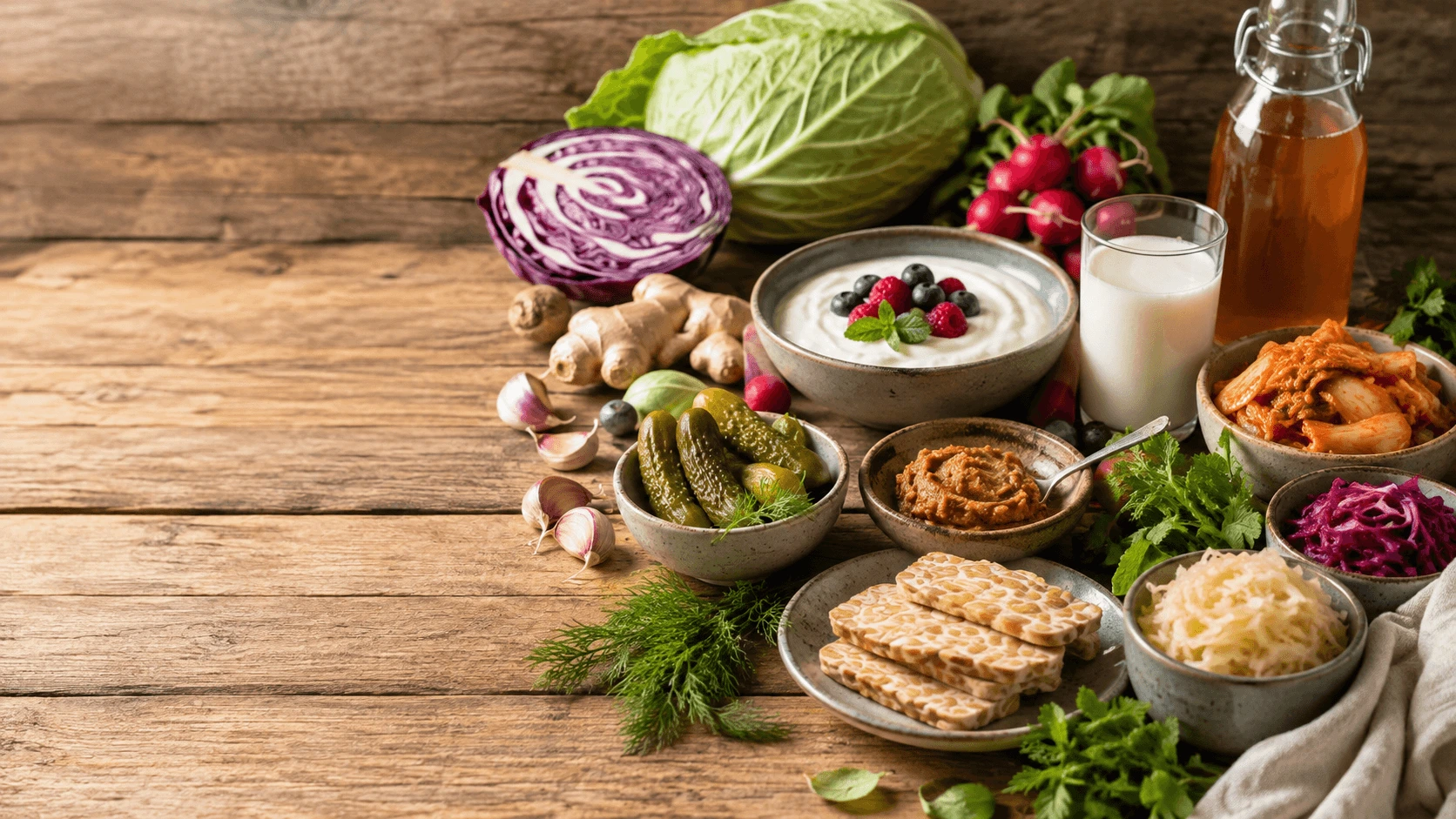
Fermented foods can add variety, flavor, and nutrients to a balanced diet. Some also contain live microorganisms, but it is important not to assume that every fermented food is automatically a probiotic.
A probiotic is a specific live microorganism that has been studied and shown to provide a health benefit when consumed in an adequate amount. A fermented food may contain live microbes, but this depends on the product, how it was made, whether it was pasteurized, and how it has been stored.
Fermented foods may support digestion as part of an overall healthy eating pattern, but they do not guarantee results, cure digestive conditions, or replace medical care.
What Are Fermented Foods?
Fermented foods are made through the controlled growth of microorganisms such as bacteria, yeast, or fungi. During this process, these microorganisms transform components of the original food, including sugars and starches, into acids, gases, or alcohol. This changes the food’s taste, texture, aroma, and shelf life.
Source: National Center for Biotechnology Information (PMC)
Common fermented foods include:
- Yogurt and kefir
- Sauerkraut and kimchi
- Miso and tempeh
- Kombucha
- Naturally fermented pickles
- Certain types of cheese and sourdough bread
Fermentation may produce organic acids, enzymes, and other bioactive compounds. Some products also retain live cultures after fermentation, especially when they have not been heat-treated or pasteurized.
This process can change:
- Taste, acidity, and aroma
- Texture
- Shelf life
- Digestibility of certain food components
- The compounds naturally present in the food
Key distinction: A probiotic must contain specific live microorganisms that have been studied and shown to provide a health benefit in an appropriate amount.
Source: PMC
How Fermented Foods May Support Digestion
Fermented foods may support a gut-friendly diet in several ways:
- Some non-pasteurized products retain live microorganisms.
- Fermented foods can increase dietary variety.
- Fermentation may make certain foods easier for some people to digest.
- Fermented vegetables such as kimchi and sauerkraut also provide fiber, which supports regular bowel movements and provides fuel for certain gut bacteria.
However, responses vary. One person may tolerate kefir well, while another may experience bloating, reflux, cramps, or discomfort from the same product.
Did you know? A 2023 survey found that nearly 40% of new fermented-food consumers reported mild digestive discomfort during the first week of introduction.
1. Plain Yogurt
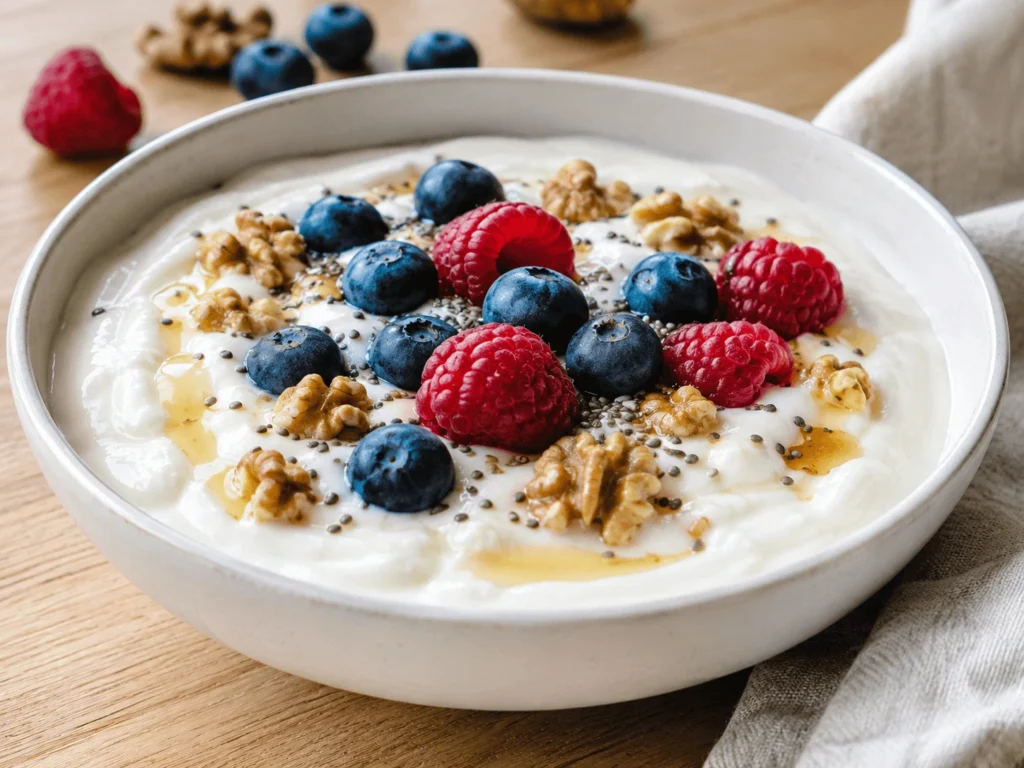
Plain yogurt may provide:
- Protein
- Calcium
- Fermentation-derived compounds
- Live cultures, when the label says “live and active cultures”
Some people with lactose intolerance tolerate yogurt better than milk, but this is individual.
Tip: Choose plain or unsweetened yogurt when possible. Add fruit, nuts, or seeds for extra flavor and nutrients. For recipe ideas, visit HealthyWellRecipes.com.
2. Kefir
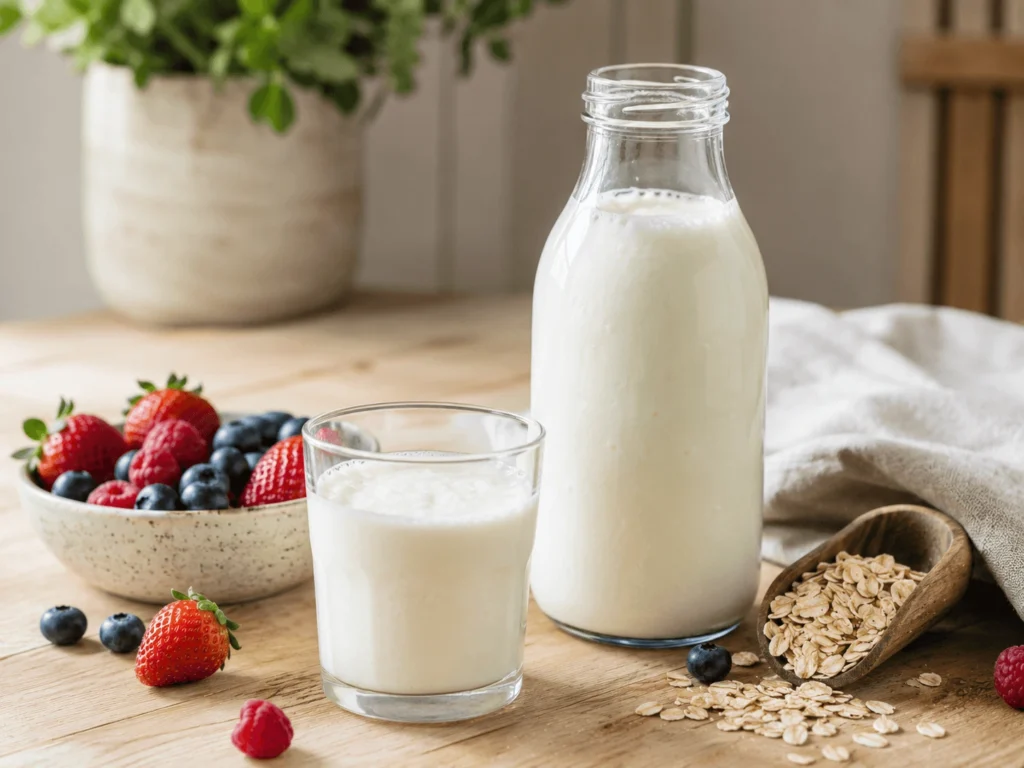
Kefir may provide:
- Protein
- Calcium
- A variety of fermentation-derived compounds
- Live cultures, depending on the product
When buying kefir, look for:
- “Live cultures” or “active cultures” on the label
- Unsweetened or low-sugar varieties
- Refrigerated storage
- A short ingredient list
Kefir contains less lactose than milk in some cases, but it is not automatically lactose-free.
3. Unpasteurized Sauerkraut
Sauerkraut is usually made by fermenting shredded cabbage in salted brine. Traditional, unpasteurized sauerkraut may contain live lactic-acid bacteria.
It also provides fiber and nutrients naturally found in cabbage.
Look for sauerkraut that is:
- Refrigerated
- Labeled “naturally fermented”
- Unpasteurized
- Marked as containing live cultures, when available
Caution: Because sauerkraut can be high in sodium, start with a small serving, such as one or two tablespoons.
4. Kimchi
Kimchi is a Korean fermented vegetable dish, often made with napa cabbage, radish, garlic, ginger, chili, and salt. Recipes vary widely.
Kimchi may provide:
- Fiber
- Vitamins and plant compounds
- Fermentation-derived compounds
- Live microorganisms if it has not been pasteurized
Kimchi is often spicy and salty. People with reflux, heartburn, or sensitive digestion may prefer small portions or a milder variety.
5. Miso
Miso is a savory fermented paste commonly made from soybeans and koji. It adds umami flavor to soups, marinades, dressings, and sauces.
Miso contains fermentation-derived compounds, but the amount of live microorganisms varies by product and preparation. It should not be considered a dependable probiotic source.
To use miso:
- Add a small amount to soup, sauce, or dressing
- Stir it into warm liquid instead of boiling it for a long time
- Keep portions modest because miso is high in sodium
6. Tempeh
Tempeh is made from fermented soybeans pressed into a firm cake. It has a nutty flavor and dense texture.
It is especially valuable for its:
- Plant protein
- Fiber
- Iron and other nutrients
- Fermentation-derived compounds
Tempeh is often cooked before it is sold or eaten. It remains nutritious, but it should not be viewed as a guaranteed source of live microorganisms.
Try it baked, grilled, steamed, sautéed, or added to salads, sandwiches, and stir-fries. Find delicious tempeh recipes at HealthyWellRecipes.com.
7. Kombucha
Kombucha is a fermented tea made with tea, sugar, yeast, and bacteria. Its sugar content, acidity, residual alcohol, and microbial content can vary widely between brands.
Kombucha may be an alternative to sugary soda for some people, but it should not automatically be considered a proven probiotic drink.
Check:
- Added sugar
- Serving size
- Refrigeration instructions
- Alcohol content, if relevant to you
Safety note: Homemade kombucha requires careful hygiene and controlled fermentation to reduce contamination risk.
8. Naturally Fermented Pickles
Not all pickles are fermented. Many are preserved directly in vinegar. Naturally fermented pickles are made in a saltwater brine, where lactic-acid bacteria carry out fermentation.
Look for terms such as:
- “Naturally fermented”
- “Fermented in brine”
- “Contains live cultures”
- Refrigerated product
Fermented pickles can be flavorful, but they are often high in sodium. Enjoy them in small portions.
9. Apple Cider Vinegar
Apple cider vinegar is produced by fermenting apple juice. Its sharp flavor comes from acetic acid.
However, apple cider vinegar should not be treated as a reliable probiotic food. Its live-microorganism content varies, and it is not necessary to consume large amounts for digestive health.
If you use it:
- Add it to salad dressing or sauces
- Dilute it if drinking it
- Avoid drinking it undiluted, as it may irritate the throat and contribute to tooth-enamel erosion
People taking certain medications or following a medically restricted diet should seek professional advice before using large amounts regularly.
How to Choose Fermented Foods
When shopping, consider the following:
- Look for “live cultures” or “active cultures.”
- Check whether a product is pasteurized if you are specifically looking for live microorganisms.
- Choose plain yogurt and kefir with little or no added sugar.
- Check sodium in kimchi, sauerkraut, miso, and pickles.
- Follow storage directions.
- Read the ingredient list.
The word “fermented” alone does not guarantee that a food still contains live microorganisms or has proven probiotic benefits.
How to Start Slowly
Start with small amounts, especially if you do not usually eat fermented or high-fiber foods.
You could try:
- A small serving of plain yogurt
- Half a glass of kefir
- One or two tablespoons of sauerkraut or kimchi
- A small serving of tempeh in a meal
- A small serving of kombucha, if tolerated
Introduce one new food at a time. This makes it easier to notice how your body responds.
Who Should Be Cautious?
Some people may experience gas, bloating, diarrhea, reflux, or discomfort when increasing fermented foods.
Introduce them cautiously if you have:
- Irritable bowel syndrome (IBS)
- Acid reflux or GERD
- Histamine intolerance
- Food allergies
- A diagnosed digestive condition
- A weakened immune system
- A medically restricted sodium intake
Seek medical advice if you have severe pain, blood in the stool, unexplained weight loss, fever, or persistent digestive symptoms.
Source: Stanford Medicine
Can Fermented Foods Improve Digestion?
Fermented foods may support digestion, but they do not work in the same way for everyone.
Fermentation can change the structure of certain foods and reduce some components that may be difficult for certain people to digest. For example, some fermented dairy products may contain less lactose than the original milk.
In addition, fermented foods that also contain fiber—such as kimchi, sauerkraut, and other fermented vegetables—can contribute to regular bowel function. Fiber supports healthy digestion and provides fuel for some intestinal bacteria.
However, fermented foods may cause gas, bloating, or discomfort when introduced too quickly. People with irritable bowel syndrome, reflux, histamine intolerance, food allergies, or other digestive conditions may need to choose specific products carefully.
Start with a small portion and introduce only one new food at a time. If symptoms are persistent, severe, or associated with pain, bleeding, or unexplained weight loss, consult a healthcare professional.
Frequently Asked Questions
Are fermented foods good for gut health?
They may support gut health by providing live microorganisms, fermentation-derived compounds and, in some cases, fiber. However, the health effects vary according to the food and the individual.
What is the best fermented food to eat?
There is no single best fermented food. Plain yogurt, kefir, sauerkraut, kimchi, miso, and tempeh can all be suitable options depending on your dietary preferences and tolerance.
Are all fermented foods probiotics?
No. A fermented food is not automatically a probiotic. The term “probiotic” is reserved for specific live microorganisms with demonstrated health benefits.
How can I identify live cultures in fermented foods?
Look for “live cultures,” “active cultures,” or “contains live microorganisms” on the packaging. These terms are more informative than the word “fermented” alone.
Does pasteurization destroy the benefits of fermented foods?
Pasteurization can inactivate live microorganisms. However, it does not necessarily remove all nutrients or fermentation-derived compounds from the food.
How much fermented food should I eat daily?
There is no universal amount for everyone. Begin with a small serving and increase gradually if you tolerate it well. A balanced diet matters more than consuming a large quantity of one food.
Can fermented foods cause bloating?
Yes. Bloating or gas may occur, especially when someone suddenly increases fermented or fiber-rich foods. Start slowly and monitor your response.
Are fermented foods suitable for people with lactose intolerance?
Some people tolerate yogurt or kefir better than milk because fermentation reduces part of the lactose. However, these products are not necessarily lactose-free, and individual tolerance differs.
Can people with IBS eat fermented foods?
Some people with IBS tolerate small portions, while others react to ingredients such as garlic, onion, chili, lactose, or fermentable carbohydrates. Introduce foods cautiously and seek personalized dietary advice when necessary.
Is kombucha a probiotic drink?
Not necessarily. Kombucha is fermented, but its microorganisms and health effects can vary between products. Check the label and avoid assuming that every kombucha provides a proven probiotic benefit.
Are fermented foods high in sodium?
Some are. Kimchi, sauerkraut, miso, and fermented pickles can contain substantial amounts of sodium. Choose smaller portions or lower-sodium versions when available.
Can I make fermented foods at home safely?
Yes, some fermented foods can be prepared at home, but safe fermentation requires appropriate ingredients, clean equipment, controlled conditions, and proper storage. When preparation is uncertain, commercially produced foods may be a safer option.
Should fermented foods replace probiotic supplements?
No. Fermented foods and probiotic supplements are different. A supplement may contain a defined strain and dose, while fermented foods vary by product. Speak with a healthcare professional if you are considering probiotics for a specific health issue.
Who should be cautious with fermented foods?
People with weakened immune systems, food allergies, histamine intolerance, or certain digestive disorders should seek professional advice before consuming large amounts of fermented foods.
Ready to Enjoy More Nutritious and Delicious Meals?
Explore HealthyWellRecipes.com for easy recipes, healthy meal ideas, and practical nutrition tips to support your everyday well-being.
Discover simple ways to add yogurt, kefir, sauerkraut, kimchi, and other wholesome ingredients to your meals—without sacrificing flavor.
Visit HealthyWellRecipes.com today and find your next healthy recipe!
Want more healthy recipes and nutrition tips delivered to your inbox?
Join the HealthyWellRecipes.com community and discover simple recipes designed to make healthy eating easier and more enjoyable.
Enjoyed this article?
Visit HealthyWellRecipes.com for more healthy recipes, meal inspiration, and practical wellness tips. Share this article with someone who wants to support their gut health through better food choices.