
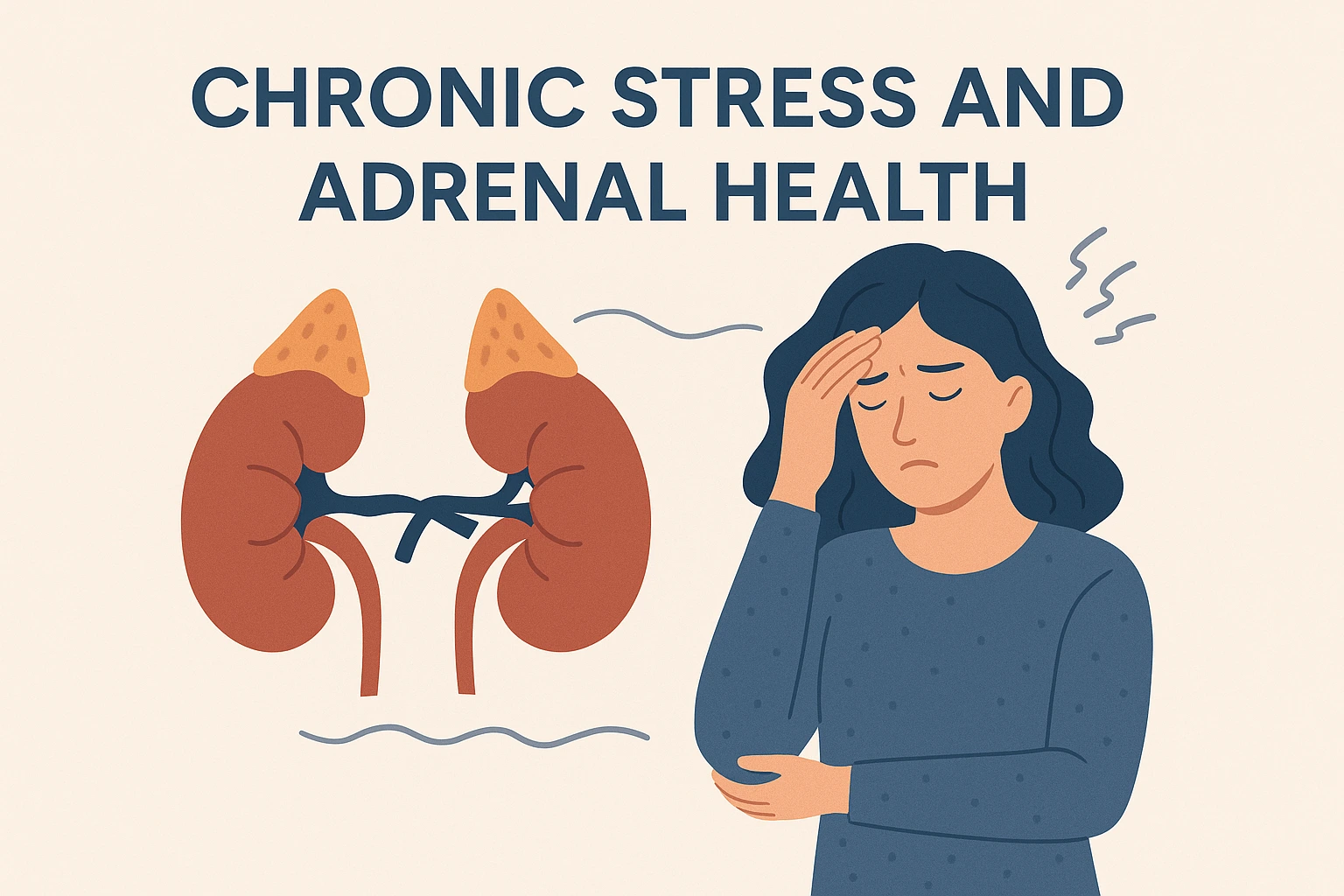

Chronic stress is more than just a mental burden—it’s a biological chain reaction. One of the systems most affected is your adrenal health. These small glands sit above your kidneys and produce hormones that regulate energy, blood pressure, metabolism, and your response to stress. When stress becomes chronic, your adrenal function is under constant pressure, which can lead to fatigue, hormonal imbalances, and even long-term health problems.
In this guide, you’ll learn how chronic stress impacts adrenal health, the symptoms to watch for, and evidence-based strategies to support your adrenal system naturally.
What Are the Adrenal Glands and What Do They Do?
Your adrenal glands are part of your endocrine system. They produce key hormones:
- Cortisol: the main stress hormone
- Adrenaline and noradrenaline: for fight-or-flight response
- Aldosterone: regulates blood pressure and salt balance
- DHEA: helps produce sex hormones like estrogen and testosterone
These hormones help you cope with stress, stay alert, regulate sleep-wake cycles, and maintain metabolic function.
When the stress response is activated too often or for too long, your adrenal glands work overtime—leading to dysregulation.
What Is Chronic Stress?
Stress is a normal response to a threat. But chronic stress means your body doesn’t return to baseline. It stays alert constantly—triggered by:
- Ongoing work pressure
- Family or financial stress
- Sleep deprivation
- Social media overload
- Illness or trauma
- Hormonal imbalances (e.g. thyroid or estrogen shifts)
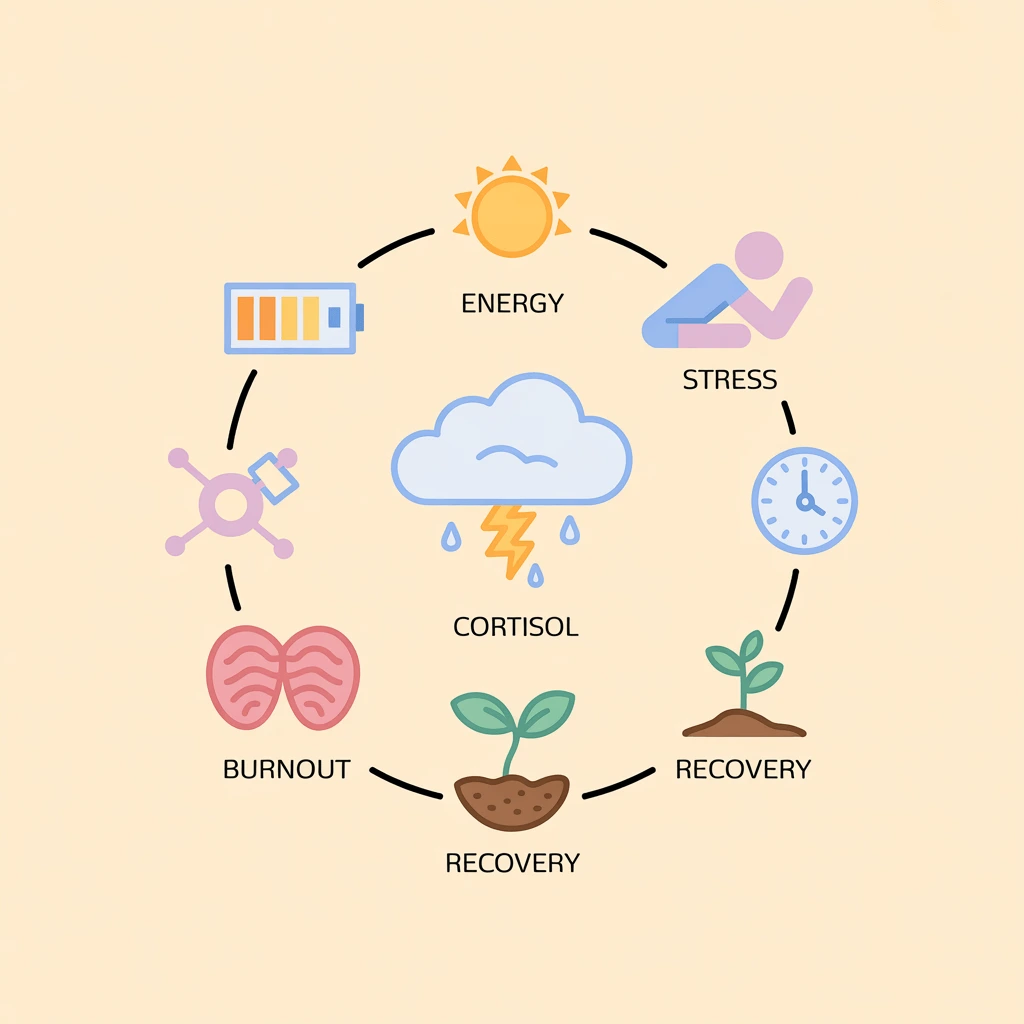
Over time, chronic stress disrupts the hypothalamic-pituitary-adrenal (HPA) axis—your internal stress circuit. This can lead to adrenal burnout, hormone irregularities, and mental health struggles.
👉 According to the World Health Organization, stress is one of the top health challenges worldwide, and chronic stress contributes to anxiety, depression, and non-communicable diseases (source).
Signs Your Adrenals May Be Stressed
Here are common symptoms associated with chronic stress and adrenal strain:
Physical Symptoms
- Constant fatigue, even after rest
- Craving salty or sugary foods
- Weight gain around the abdomen
- Low blood pressure or dizziness
- Low libido
- Weak immunity (frequent colds)
Emotional or Mental Symptoms
- Irritability
- Anxiety or panic
- Difficulty concentrating
- Mood swings
- Insomnia or waking at 2–4 a.m.
If several of these match your daily reality, it’s time to look deeper into your adrenal health.
What Is “Adrenal Fatigue”?
The term “adrenal fatigue” is widely used in wellness circles, but it’s not an official medical diagnosis.
🔎 According to the Endocrine Society, your adrenal glands don’t “burn out”—but chronic stress alters hormone patterns, especially cortisol. This can resemble adrenal insufficiency, which is a recognized disorder where the body doesn’t produce enough cortisol (source).
Some experts suggest using terms like HPA axis dysregulation instead of adrenal fatigue to better reflect the full system involved.
How Chronic Stress Impacts Hormone Balance
Cortisol isn’t just a stress hormone—it also affects:
- Blood sugar levels
- Thyroid hormone conversion
- Progesterone and estrogen balance
- DHEA and testosterone production
- Melatonin for sleep cycles
Chronic stress raises cortisol over time, but later can cause levels to drop too low—both scenarios disrupt overall hormonal health.
In women, this imbalance may lead to:
- Irregular cycles
- PMS symptoms
- Fertility issues
- Menopausal discomfort
10 Science-Backed Ways to Support Your Adrenal Health
1. Get Consistent Sleep
Cortisol follows a diurnal rhythm—it’s highest in the morning, lowest at night. Sleep disruption interferes with this rhythm.
Tips:
- Sleep by 10:30 p.m.
- Avoid screens after 9 p.m.
- Create a cool, dark sleep space
- Limit caffeine after 2 p.m.
2. Balance Blood Sugar
Blood sugar crashes trigger cortisol spikes.
Eat every 3–4 hours, and prioritize:
- Protein (eggs, fish, tofu)
- Healthy fats (avocados, olive oil)
- Fiber-rich carbs (veggies, lentils)
Avoid skipping meals or overdoing sugar, even natural sweeteners.
3. Reduce Overtraining
High-intensity workouts raise cortisol. While exercise is healthy, overtraining worsens adrenal strain.Opt for:
- Yoga/Pilates
- Walking in nature
- Light strength training
4. Adaptogenic Herbs
Some herbs help regulate cortisol and support the adrenal glands:
| Herb | Effect |
| Ashwagandha | Calms anxiety, lowers cortisol |
| Rhodiola | Increases resilience to physical/mental stress |
| Holy basil | Supports mood and immune system |
| Licorice root | Can help raise low cortisol (monitor BP) |
🧠 Always check interactions with meds or consult a practitioner.
5. Try Breathwork or Meditation
Deep breathing triggers the parasympathetic (rest and digest) system. Try:
- 4–7–8 breathing
- Alternate nostril breathing
- 10-minute guided meditations
These reduce stress and improve HRV (heart rate variability), a marker of resilience.
6. Lower Mental Load
Too many commitments = chronic stress. Reduce decision fatigue:
- Use simple routines
- Plan meals ahead
- Limit multitasking
- Schedule rest
Stress isn’t just emotional—it’s logistical too.
7. Limit Stimulants
Too much caffeine spikes cortisol. Try:
- Replacing coffee with matcha or rooibos
- Drinking coffee only after breakfast
- Skipping caffeine after lunch
Alcohol can also strain the adrenals over time.
8. Hydrate and Support Electrolytes
Adrenal imbalance may cause low sodium levels.
Stay hydrated with filtered water + add:
- Sea salt
- Electrolyte powders
- Coconut water (without added sugar)
9. Track Your Stressors
Use a journal or app to track:
- What triggers your stress?
- What relieves it?
- How’s your sleep, mood, energy?
Awareness creates change. Many people run on autopilot until burnout hits.
10. Seek Functional Lab Testing
If symptoms persist, consider testing:
| Test | Purpose |
| 4-point salivary cortisol | Shows cortisol rhythm across the day |
| DHEA | Measures adrenal reserve |
| Thyroid panel | Checks interaction with adrenal function |
| Sex hormones | Can identify imbalance due to stress |
Work with an integrative or functional practitioner familiar with adrenal patterns.
When to Seek Medical Help
Sometimes fatigue, anxiety, and brain fog indicate deeper issues. Consult a doctor if you:
- Are unable to get out of bed
- Experience extreme low blood pressure
- Feel faint or dizzy often
- Have unexplained weight loss
- Develop severe mood changes
For serious adrenal disorders (like Addison’s disease), medical management is necessary. Learn more via the Mayo Clinic guide.
External Resources You Can Trust
For more on adrenal health and stress, visit:
- Mayo Clinic – Adrenal Insufficiency
- Endocrine Society – Cortisol and Stress
- Verywell Mind – Chronic Stress Effects
- WHO – Mental Health Data
Conclusion: Act Before Burnout
Chronic stress affects far more than your mood—it puts a heavy load on your adrenal system, hormonal balance, and long-term health. But it’s reversible.
You don’t need a complicated protocol. Start small:
- Sleeping before 11 p.m
- Eating balanced meals.
- Breathing deeply for 5 minutes daily.
- Cut the overwhelm
- Support your body with rest and care
You deserve calm, clarity, and energy. Your adrenals work hard for you—take care of them in return.
👉 Was this helpful? Share this article or subscribe for more hormone and wellness content.
For Daily Inspiration: follow us on Instagram–Facebook– youtube!
4 thoughts on “Chronic Stress & Adrenal Health: 10 Science-Backed Hacks to Defy Burnout and Restore Energy FAST”