
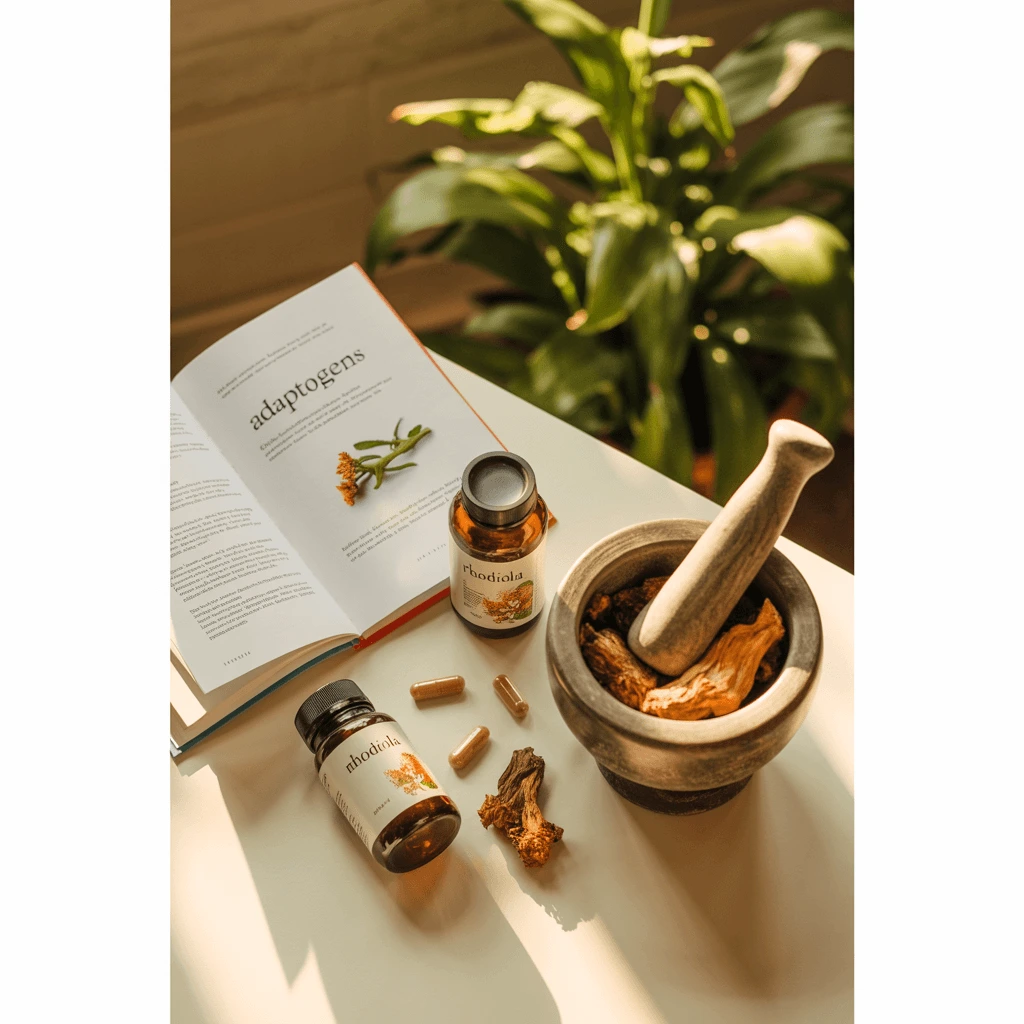
Explore 6 proven Rhodiola Rosea benefits for energy, focus & stress relief. Get the science-backed dosage, safety facts, and learn how to choose the best adaptogen supplement.
Rhodiola rosea benefits span from mental clarity to physical endurance, making this adaptogen a powerhouse for modern wellness. The benefits of rhodiola rosea have been celebrated for centuries in traditional medicine, and modern science is now confirming why this powerful herb is so effective for combating fatigue, enhancing cognitive function, and building resilience to stress.
For more information, you can consult medical news today
🌄 History & Origins: The Golden Root from Vikings to Science
Rhodiola Rosea is not a recent discovery. Its use is rooted in the traditional medicine of the arctic and mountainous regions of Europe and Asia.
- Vikings and Siberian warriors consumed the root to increase their physical endurance and courage.
- In Russian and Scandinavian traditional medicine, it was prescribed to resist intense cold, illness, and overwork.
- Its name “rosea” comes from the rose-like scent of its fresh root when cut.
It was during the Cold War that Soviet scientists, seeking to boost the performance of their athletes and cosmonauts, scientifically studied its “adaptogenic” properties, a term they themselves popularized. Since then, Western science has validated what herbalists have known for centuries.
What Are Rhodiola Rosea Benefits? An Adaptogen Overview
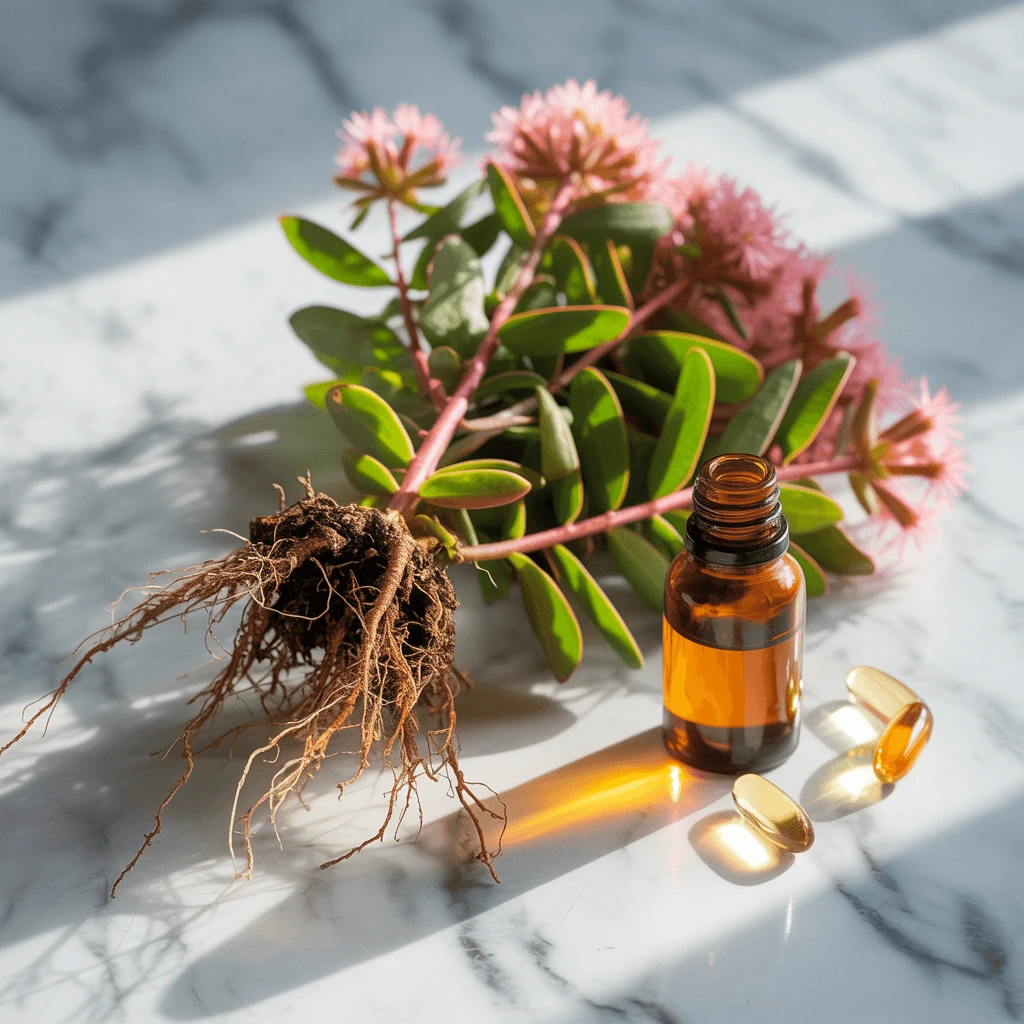
Rhodiola rosea, often called “golden root” or “arctic root,” is a flowering plant that grows in cold, mountainous regions of Europe and Asia. For centuries, it has been a cornerstone of traditional medicine in Scandinavia, Russia, and other regions, used to increase energy, endurance, and resilience to stress.
It is classified as an adaptogen—a unique class of herbs that helps the body adapt to and resist physical, chemical, and environmental stressors.
Key Active Compounds: The primary bioactive compounds believed to drive its effects are rosavin and salidroside. High-quality supplements often standardize their extracts to contain a specific ratio (typically 3% rosavins and 1% salidrosides).
Understanding How Rhodiola Works for Maximum Benefits
Rhodiola doesn’t target a single symptom; it works systemically to modulate your body’s stress response system, primarily the HPA (Hypothalamic-Pituitary-Adrenal) axis.
- Regulates Stress Hormones: It helps modulate cortisol, the primary stress hormone, preventing the peaks and crashes that lead to burnout and fatigue.
- ️Increases Neurotransmitter Activity: It influences key mood and focus neurotransmitters in the brain, including serotonin, dopamine, and norepinephrine, by inhibiting their breakdown.
- Supports Cellular Energy: It may enhance the production of ATP (adenosine triphosphate), the fundamental energy currency of your cells, particularly during times of stress.
Top 6 Science-Backed Benefits of Rhodiola Rosea
1. Energy and Fatigue Benefits of Rhodiola
Multiple studies show rhodiola can significantly reduce feelings of fatigue and mental burnout, especially during periods of chronic stress. Unlike stimulants (like caffeine), it provides a smoother, non-jittery energy lift by improving your body’s energy metabolism at a cellular level.
The Evidence: A 2020 systematic review concluded that rhodiola rosea extract can improve symptoms of burnout and stress-related fatigue (Isenmann et al., 2021). For instance, a randomized controlled trial found that supplementation with Rhodiola rosea significantly reduced fatigue and improved overall well-being in subjects with life-stress symptoms compared to placebo (source:*Planta Medica* view study on PubMed)
2. Cognitive and Focus Benefits of Rhodiola
Rhodiola is prized for its cognitive-enhancing effects. Users and studies report improvements in concentration, memory, and the ability to perform complex mental tasks under pressure.
The Evidence: Seminal research on physicians working night shifts demonstrated that “Rhodiola rosea extract improved cognitive performance and work capacity in conditions of fatigue and stress” (Darbinyan et al., 2000, Phytomedicine). A later study on students during exam periods confirmed these findings, showing improved cognitive processing, reduced mental fatigue, and enhanced overall performance (source: Spasov et al., 2000).
3. Stress and Anxiety Benefits of Rhodiola
As a true adaptogen, rhodiola helps buffer the physiological and psychological impact of stress. It promotes a calmer, more balanced state without causing sedation.
- The Evidence: Clinical trials have demonstrated its ability to reduce symptoms of generalized anxiety and stress, improving overall emotional well-being and resilience.
4. Physical Performance Benefits of Rhodiola
While not a direct muscle-builder, rhodiola can improve exercise capacity by making physical stress feel less taxing. It’s believed to increase oxygen uptake and time to exhaustion.
- The Evidence: Studies on athletes and untrained individuals suggest it can improve endurance performance and reduce perceived exertion during training.
5. Mood and Emotional Benefits of Rhodiola
By influencing serotonin and dopamine activity, rhodiola may have a positive effect on mood. It is often explored as a complementary approach for mild, stress-related low mood.
- Important Note: It is not a replacement for antidepressant medication for clinical depression. Always consult a doctor for mood disorders.
6. Other Potential Rhodiola Rosea Benefits
- Heart Health: Preliminary studies suggest potential benefits for cardiovascular function under stress.
- Blood Sugar Metabolism: Early research indicates it may help support healthy blood sugar levels.
Optimal Dosage for Maximum Rhodiola Rosea Benefits
Finding the right dosage is key to experiencing the full spectrum of rhodiola rosea benefits. Most benefits are seen with consistent, daily use over several weeks.
| Purpose | Suggested Daily Dosage | Best Time to Take |
|---|---|---|
| General Stress & Energy Support | 200-400 mg | Morning, with or without food. Avoid late afternoon/evening. |
| For Acute Stress or Fatigue | Up to 600 mg (split dose: AM & early PM) | Under guidance of a practitioner. |
| Athletic Performance | 200-300 mg about 1 hour before exercise | Pre-workout. |
🔄 Cycling Recommended: To prevent your body from becoming accustomed to it, consider a cycle of 5 days on, 2 days off, or 8-12 weeks on followed by a 1-2 week break.
Safety and Side Effects of Rhodiola
While rhodiola rosea benefits are significant, it’s crucial to understand its safety profile. Rhodiola is generally well-tolerated by most adults when used appropriately.
- Common (Mild) Side Effects: May include dry mouth, dizziness, or jitteriness (especially at high doses).
- Important Interactions:
- Stimulants: May amplify the effects of caffeine or other stimulants.
- Diabetes Medication: May affect blood sugar levels; monitor closely.
- Antidepressants (SSRIs/MAOIs): Theoretical risk of serotonin syndrome; consult a doctor before combining.
- Who Should Avoid It:
- Pregnant or breastfeeding women (due to lack of safety data).
- Individuals with bipolar disorder (may trigger manic episodes).
- Those with auto-immune conditions (it may stimulate the immune system).
🚨 Always consult with a qualified healthcare professional before starting any new supplement, especially if you have a medical condition or are taking medication.
How to Choose a Quality Supplement for Rhodiola Rosea Benefits
To ensure you experience the genuine rhodiola rosea benefits, follow these steps to select a quality product:
- Look for Standardization: The label should state it is standardized to contain minimum 3% rosavins and 1% salidrosides. This guarantees active compound content.
- Check the Source: Prefer brands that use Rhodiola rosea (the studied species) and disclose the plant part (root extract is preferred).
- Opt for Reputable Brands: Choose companies that:
- Practice Third-Party Testing (look for seals from NSF, USP, or Informed-Sport).
- Are Transparent about their sourcing and manufacturing (GMP certified facilities).
- Avoid Proprietary Blends: You have the right to know the exact amount of rhodiola in each serving. “Blends” often hide low doses.
- Which form to choose: Dry Extract (Capsules) vs. Tincture?
- Dry Extracts in Capsules: This is the most common and practical form. They offer precise dosing, good shelf life, and are ideal for daily use. Always check the standardization ratio (3% rosavins, 1% salidrosides).
- Tinctures (Liquid Extracts): They may have slightly faster absorption. They are convenient for adjusting dosage drop-by-drop but often have a bitter taste. Choose tinctures with a quality solvent (alcohol-free or grain alcohol).
Our Recommendation: For beginners, standardized capsules are the simplest and most reliable choice to get an effective and consistent dose.
🧠 Myths vs. Realities: Unraveling Truth from Fiction About Rhodiola
Myth 1: “Rhodiola is just like strong coffee.”
Reality: False. Caffeine is a direct stimulant that blocks fatigue receptors. Rhodiola is an adaptogen that improves your body’s ability to manage stress and produce energy naturally, without crashes or dependency.
Myth 2: “If I don’t feel anything in 2 days, it’s not working.”
Reality: True adaptogenic benefits build with consistency. While subtle improvements in mood or energy may occur within days, stress resilience typically solidifies after 2 to 4 weeks of continuous use.
Myth 3: “The higher the dose, the better.”
Reality: This is the most common mistake. Beyond 600 mg/day for most people, benefits can plateau and the risk of side effects (restlessness, insomnia) increases. Stick to the effective dose of 200-400 mg/day.
Frequently Asked Questions About Rhodiola
Is rhodiola a stimulant like caffeine?
No. While both can increase energy, caffeine is a direct central nervous system stimulant. Rhodiola works indirectly as an adaptogen by improving your body’s stress response and energy metabolism, leading to a more sustained, calm energy without crashes.
Can I take rhodiola and caffeine together?
It’s common, but proceed with caution. The combination can be too stimulating for some, causing anxiety or jitters. Start with a low dose of each and assess your tolerance.
How long does it take to feel the effects?
Some people notice subtle effects on energy and mood within the first few hours or days. However, for full adaptogenic benefits related to stress resilience, allow 2-6 weeks of consistent use.
What’s the difference between rhodiola and ashwagandha?
Both are top adaptogens, but with different nuances:
- Rhodiola: More energizing and stimulating. Best for fatigue, mental focus, and daytime stress. Considered more “activating.”
- Ashwagandha: More calming and grounding. Best for nighttime relaxation, anxiety, and promoting sleep. Considered more “sedating.”
Many people use them complementarily (rhodiola in the AM, ashwagandha in the PM).
Can rhodiola cause weight loss?
It is not a weight-loss pill. However, by reducing stress-related fatigue and potentially improving exercise performance, it may support an active lifestyle. Lowering cortisol may also indirectly help with stress-related weight gain.
VISUAL COMPARISON TABLE
| Adaptogen | Primary Effect | Best For… | Best Time | Key Note |
|---|---|---|---|---|
| Rhodiola Rosea | Energizing & Balancing | Mental fatigue, acute stress, cognitive performance under pressure. | Morning / Noon | “The focus adaptogen” – Provides energy without jitters. |
| Ashwagandha | Calming & Regenerating | Chronic anxiety, sleep, recovery, long-term low vitality. | Evening | “The calming adaptogen” – Excellent for background stress. |
| Panax Ginseng | Stimulating & Toning | Intense physical fatigue, convalescence, need for an immediate boost. | Morning | “The revitalizer” – More pronounced stimulating effect, needs cycling. |
Disclaimer: This article is for informational purposes only and does not constitute medical advice. The information is not intended to diagnose, treat, cure, or prevent any disease. Always consult with a qualified healthcare provider before making any changes to your diet, supplement regimen, or health program.