
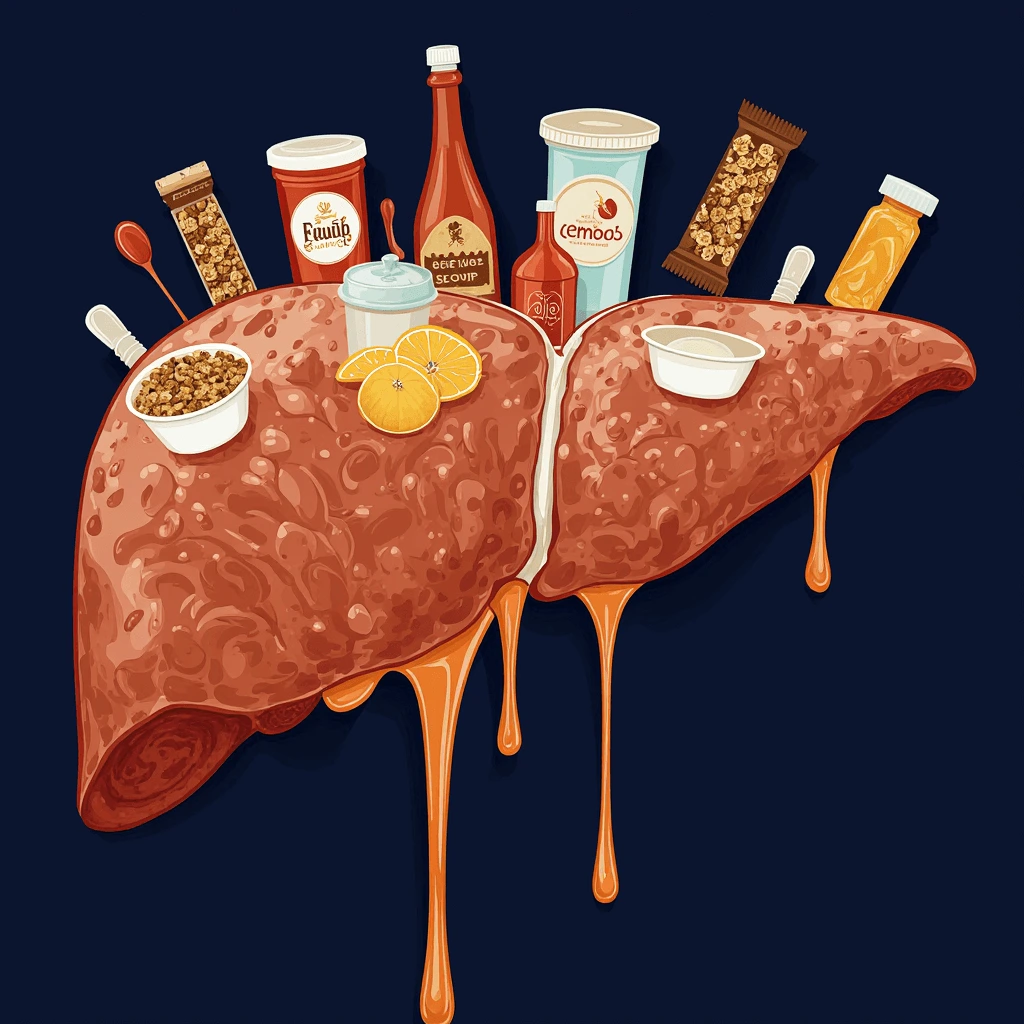
Hidden sugar sources are the silent saboteurs in our daily diets, often lurking in foods we believe are healthy. These are not the obvious sweets, but the added sugars concealed in processed items and “health foods” that contribute to chronic inflammation, weight gain, and metabolic dysfunction. This article exposes the top five hidden sources of sugar that can stealthily lead to fatty liver disease, insulin resistance, and a cascade of other health problems,as detailed in research from the Harvard T.H. Chan School of Public Health on the dangers of added sugar providing you with the knowledge to identify and eliminate them.
The Deceptive Danger: Flavored and Fruit Yogurts
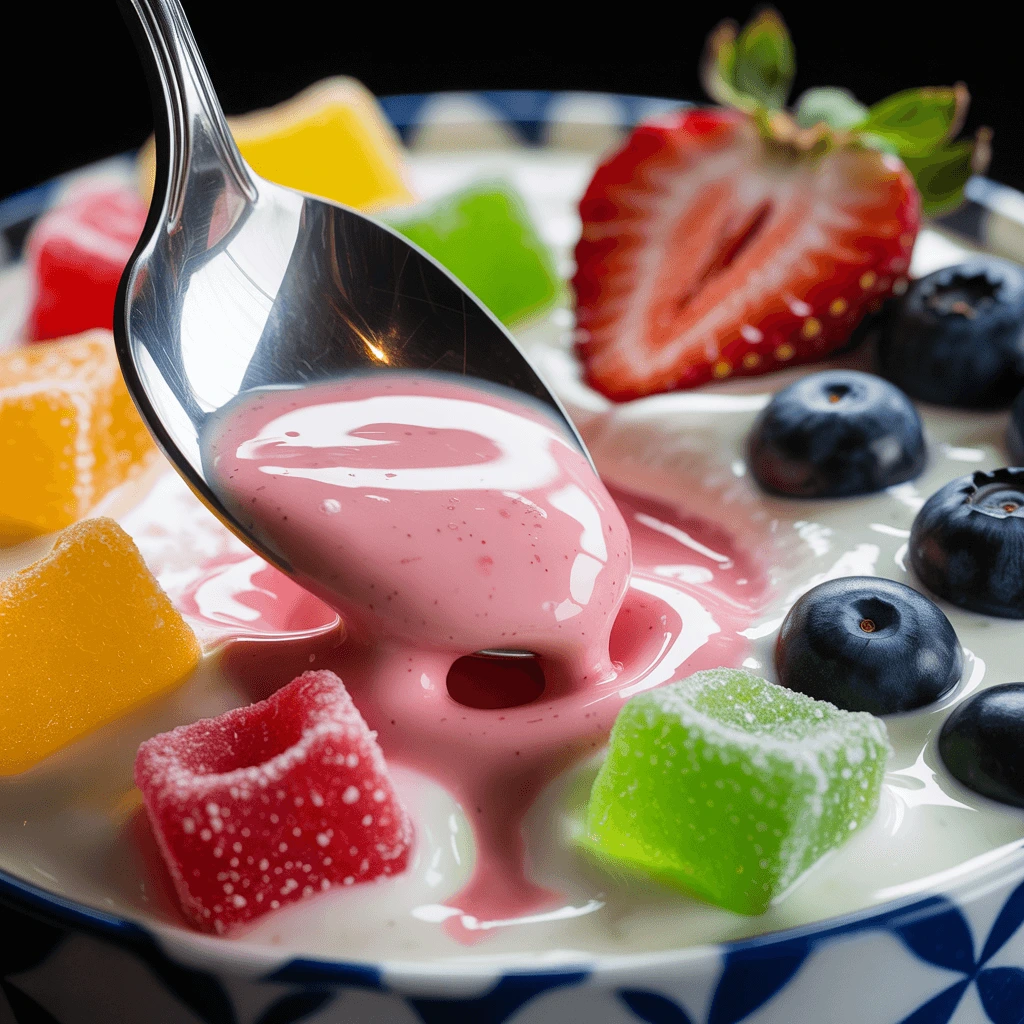
Many people start their day with a cup of fruit yogurt, believing it’s a probiotic-rich, healthy choice. This is one of the most common hidden sugar traps in a typical diet.
The Problem: A single serving of commercial flavored or fruit-bottom yogurt can contain 20 to 30 grams (5 to 7 teaspoons) of added sugar, rivaling a candy bar. The fruit component is frequently a sugar-laden compote or jam rather than real fruit.
The Health Impact: Consuming this daily sugar bomb causes repeated blood glucose and insulin spikes. This process promotes fat storage—particularly dangerous visceral fat around vital organs like the liver—directly contributing to non-alcoholic fatty liver disease (NAFLD).
The Smart Swap: Always opt for plain, full-fat, or Greek yogurt. You can control the sweetness by adding a handful of fresh berries or a light drizzle of raw honey. This swap provides the benefits of probiotics, protein, and healthy fats without the sugar overload.
The Silent Saboteurs: Ready-Made Sauces and Condiments
From ketchup and barbecue sauce to salad dressings and pasta sauces, these kitchen staples are a major, overlooked source of hidden sugars and empty calories.
The Problem: To enhance flavor, texture, and shelf life, manufacturers add significant amounts of sugar, high-fructose corn syrup, and other sweeteners. For instance, just two tablespoons of a popular barbecue or teriyaki sauce can contain over 15 grams of sugar.
The Health Impact: Because we use these in small quantities, we mentally discount their sugar content. This leads to a steady, unnoticed intake that fuels insulin resistance and chronic, low-grade inflammation—a root cause of cardiovascular disease, a link highlighted by the American Heart Association,
The Smart Swap: Embrace making simple sauces at home. A basic vinaigrette of olive oil, vinegar, mustard, and herbs takes minutes. For tomato sauce, simmer crushed tomatoes with garlic, onions, and Italian herbs for a flavorful, sugar-free alternative.
Beyond Sweetness: The Glycemic Index (GI) of Processed Foods
The conversation about hidden sugar extends beyond the “Added Sugars” line on a nutrition label to include the Glycemic Index (GI) of processed carbohydrates.
The Problem: Many processed foods marketed as healthy—like white bread, instant oatmeal, rice cakes, and some crackers—have a high GI. These foods are rapidly broken down into glucose, causing the same damaging insulin spikes as table sugar, even if they don’t taste sweet.
The Health Impact: A diet consistently high in high-GI foods is strongly linked to an increased risk of type 2 diabetes, cardiovascular disease, and obesity. They keep the body in a constant state of processing sugar.
The Smart Swap: Focus on incorporating low to medium GI foods: most non-starchy vegetables, legumes, sweet potatoes, quinoa, and intact whole grains like steel-cut oats. Furthermore, combine carbohydrates with healthy fats or protein (e.g., an apple with almond butter) to dramatically slow the absorption of glucose.
“Healthy” Packaged Snacks: Granola, Bars, and Smoothies
The health halo is particularly strong in this category. Granola, many protein bars, and pre-made smoothies or juices are often sugar landmines in disguise.
The Problem: Granola is frequently bound with honey or sugar; many protein bars rely on syrups and sugar alcohols that can disrupt gut health; and bottled smoothies concentrate fruit sugars while stripping away the beneficial fiber that slows absorption.
The Health Impact: This creates a cycle of energy spikes and crashes, puts constant strain on the pancreas, and delivers excess fructose that is primarily metabolized by the liver, where it is converted into fat.
The Smart Swap: Become a meticulous label reader. Choose granola with under 5 grams of added sugar per serving. Select protein bars with recognizable whole-food ingredients. Make your own smoothies using a base of vegetables (like spinach or cucumber) and limit fruit to one portion.
The Beverage Blind Spot: “Enhanced” Waters, Teas, and Coffee Drinks
The hidden sugar epidemic isn’t confined to solid food. The beverage aisle is full of culprits like vitamin waters, flavored iced teas, and coffee shop creations.
The Problem: These are essentially liquid sugar, consumed quickly. A large flavored latte or a bottle of “antioxidant” tea can contain more than the World Health Organization’s recommended daily maximum of 25 grams of added sugar in a single serving.
The Health Impact: Liquid calories are poorly registered by the body’s satiety mechanisms, leading to easy overconsumption. They are a direct and potent contributor to liver fat accumulation and insulin resistance.
The Smart Swap: Make water, sparkling water with a squeeze of citrus, or unsweetened herbal teas your default beverages. For coffee, drink it black or add a splash of milk or cream instead of flavored syrups and whipped toppings.
Why These Hidden Sugar Sources Are So Dangerous
The insidious nature of these hidden sugar sources lies in their consumption being unconscious and consistent. Unlike dessert, which is a conscious indulgence, these sugars infiltrate our diets daily, creating a state of chronic metabolic stress. The liver, overwhelmed by a constant influx of fructose and glucose, converts the excess into fat, leading to fatty liver disease (also known as non-alcoholic fatty liver disease or NAFLD)—now a widespread public health issue. This process is the primary gateway to metabolic syndrome, a cluster of conditions that drastically increase the risk of heart disease, stroke, and diabetes.
Your Practical Path Forward: How to Take Control
Eliminating hidden sugar is not about extreme restriction but about informed empowerment. Here is a clear, actionable plan:
- Become a Label Detective: The first step is awareness. Always check the “Added Sugars” line on the Nutrition Facts panel. Learn to identify sugar’s many aliases (sucrose, fructose, syrup, anything ending in ‘-ose’, fruit juice concentrate).
- Cook and Prepare Whole Foods at Home: This is the single most effective strategy to control exactly what goes into your body.
- Prioritize a Low-Glycemic Plate: Build your meals around vegetables, quality proteins, and healthy fats to ensure stable energy and insulin levels throughout the day.
- Rethink Your Drink: Commit to a week of zero-sugar beverages. The difference in energy and cravings can be profound.
- Be Patient and Persistent: Your taste buds will adapt. As you reduce hidden sugar, whole foods will begin to taste naturally sweeter and more satisfying.
Conclusion: Reclaiming Your Health
The journey to better metabolic health begins with knowledge. By unmasking the five major hidden sugar sources—from flavored yogurts and stealthy sauces to high-GI carbs and sugary drinks—you can make deliberate, powerful choices. You have the power to protect your liver, stabilize your metabolism, and build a foundation for long-term vitality. Start today by auditing one category in your pantry. Your body will thank you for years to come.
Disclaimer: This article is for informational purposes only and is not intended as medical advice. Always consult with your physician or a qualified healthcare provider for diagnosis and treatment of any health conditions and before making any significant dietary changes.
3 thoughts on “Hidden Sugar Sources: The 5 “Healthy” Foods Secretly Damaging Your Liver”