
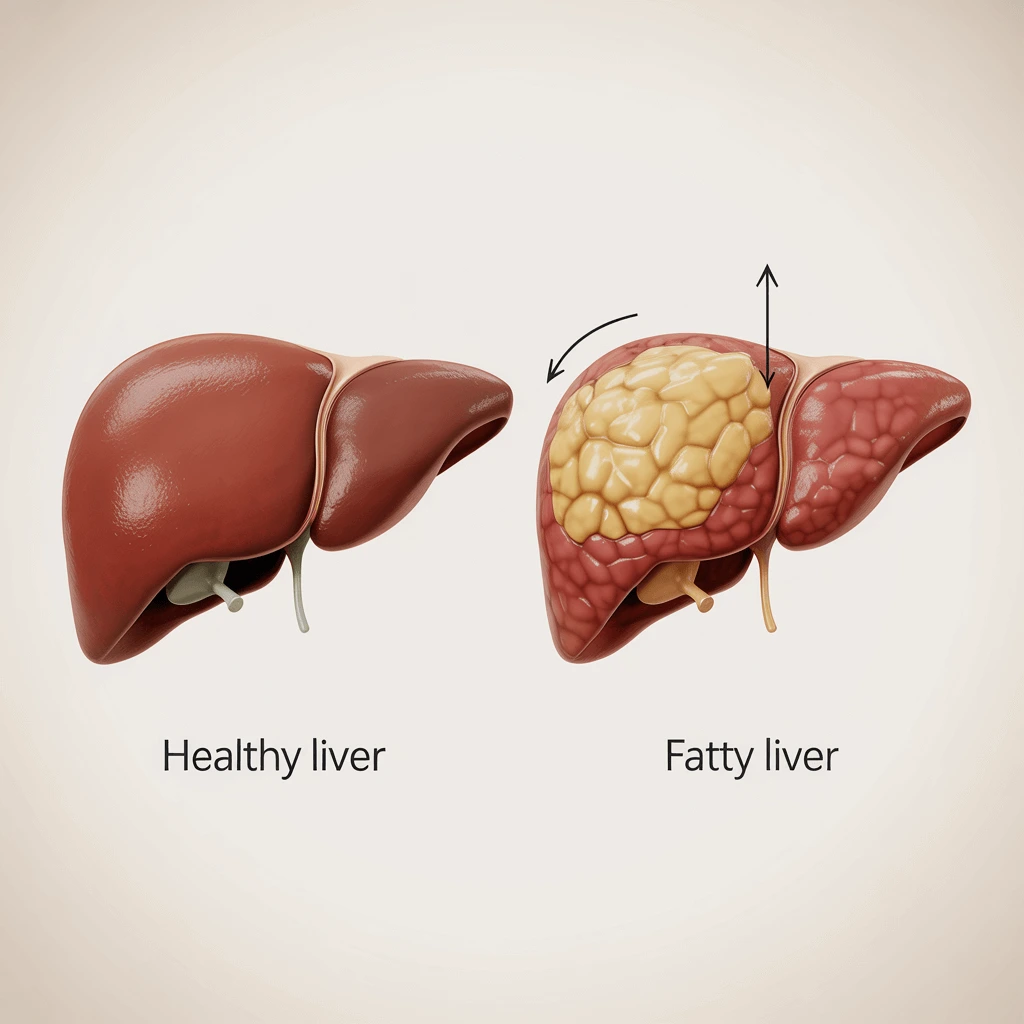
Liver health nutrition involves overall eating patterns, alcohol use, physical activity and individual medical needs. No single food or supplement guarantees a healthy liver or treats every liver condition.
This guide focuses on nutrition and lifestyle factors studied in relation to metabolic dysfunction-associated steatotic liver disease, or MASLD, previously commonly called non-alcoholic fatty liver disease, or NAFLD.
It explains the evidence without providing a personal treatment plan.
This article provides general educational information. It does not diagnose liver disease or replace medical advice or treatment.
Understanding MASLD, NAFLD and MASH
MASLD involves excess fat in the liver alongside one or more cardiometabolic risk factors. Older articles and medical resources often use the term NAFLD.
Some people also develop inflammation and liver cell injury. Under the newer terminology, this is called metabolic dysfunction-associated steatohepatitis, or MASH, previously called NASH. Scarring, also known as fibrosis, may develop.
These conditions can occur in people with different body sizes. A diagnosis should not be inferred from weight, tiredness or an online symptom checklist.
Clinicians assess medical history, alcohol use, medications and other possible causes. Tests may include blood tests, imaging and additional assessments when appropriate.
The NIDDK overview of fatty liver diagnosis explains how healthcare professionals investigate the condition.
Liver Health Nutrition: 5 Factors to Understand
1. Review Added Sugars and Sweetened Drinks
Sugar-sweetened drinks can contribute substantial amounts of added sugar and energy. Reducing frequent consumption forms part of dietary recommendations for people with MASLD.
Practical options include:
- Choosing water or unsweetened drinks more often.
- Comparing serving sizes and added sugar on labels.
- Requesting less syrup in flavored coffee.
- Checking whether a bottle contains more than one serving.
However, a sweetened drink or dessert does not automatically establish liver damage. Frequency, portions and the wider eating pattern matter.
Whole fruit should not be treated as equivalent to a sugar-sweetened beverage simply because both contain sugars.
For label-reading examples, see our Hidden Sugar Sources guide.
2. Focus on the Overall Eating Pattern
Research and clinical guidance support improving diet quality rather than relying on individual “liver superfoods.”
A Mediterranean-style pattern can include:
- Vegetables and fruit.
- Beans, lentils and other legumes.
- Whole grains.
- Fish and other suitable protein sources.
- Nuts, seeds and unsaturated oils.
The EASL–EASD–EASO guidance on MASLD discusses diet quality, activity, alcohol and individualized management.
This does not mean everyone needs the same menu. Allergies, preferences, budget and other medical conditions can affect food choices.
For practical meal combinations, browse our Healthy Recipes.
3. Understand Choline Without Treating It as a Cure
Choline contributes to normal functions, including the transport and metabolism of fats. Inadequate choline can affect liver health, but this does not establish that taking extra choline treats MASLD.
Food sources include eggs, fish, meat, soybeans and other foods. Amounts vary.
A nutrient’s biological role is different from evidence that a supplement benefits everyone with liver concerns.
The NIH Office of Dietary Supplements choline fact sheet explains its functions, sources and safety considerations.
Discuss suspected deficiencies or supplements with a qualified healthcare professional rather than choosing a dose from an online article.
4. Discuss Alcohol in the Context of Liver Disease
Alcohol can contribute to liver injury and may worsen existing liver problems.
If you have liver disease or abnormal test results, ask your clinician whether you should avoid alcohol entirely. People with advanced fibrosis or cirrhosis should abstain.
An amount described as acceptable for the general population should not automatically be presented as safe for someone with liver disease.
If you drink heavily or have experienced withdrawal symptoms, seek medical support when planning to stop. Alcohol withdrawal can require supervised care.
5. Include Physical Activity and Individual Care
Physical activity can help reduce liver fat and support metabolic health, including in some circumstances without substantial weight loss.
Choose activities suited to your health and capacity. Walking, cycling, swimming or resistance exercises may be options.
Some people also benefit from gradual, medically guided weight management. However, weight loss is not a universal recommendation for every reader or every liver condition.
Avoid crash diets, prolonged fasting or rapid weight-loss plans promoted as liver treatments.
The NIDDK guidance on treatment for fatty liver disease discusses activity, weight management and medical care.
Foods That Can Fit Into Varied Meals
The following foods are examples, not a prescribed liver diet.
| Category | Examples |
|---|---|
| Vegetables | Leafy greens, carrots, broccoli, peppers, zucchini |
| Fruit | Apples, berries, oranges, bananas |
| Protein sources | Fish, eggs, poultry, beans, lentils, tofu |
| Unsaturated fats | Olive oil, canola oil, nuts, seeds, avocado |
| Whole grains | Oats, brown rice, barley, whole-grain bread |
| Flavorings | Lemon, garlic, ginger, herbs and culinary spices |
No ingredient in this table should be presented as repairing the liver on its own.
Portions should fit your needs. A diagnosis of cirrhosis or another condition may require different nutritional guidance from this general example.
Foods and Drinks to Review
Rather than classifying every food as harmful or safe, consider the pattern of consumption.
| Item | What to consider |
|---|---|
| Sweetened beverages | Serving size, added sugar and frequency |
| Pastries and sweet snacks | Portions and their place in the overall diet |
| Foods rich in saturated fat | Opportunities to use suitable unsaturated alternatives |
| Processed meats | Frequency and alternative protein sources |
| Alcohol | Your diagnosis and clinical advice |
| Packaged foods | Actual ingredients and nutrition rather than packaging alone |
Packaged food varies. Plain yogurt, frozen vegetables and canned beans can make balanced meals easier to prepare.
You do not need to eliminate all carbohydrates or avoid whole fruit.
A Sample Day of Meals
This example does not calculate energy, protein or other nutritional requirements. Adjust portions and add food when needed.
- Breakfast: Oatmeal with berries and walnuts.
- Lunch: Chickpea or chicken salad with vegetables and whole-grain bread.
- Snack: Fruit with plain yogurt or a suitable alternative.
- Dinner: Salmon or tofu with rice and cooked vegetables.
For a legume-based option, try our Vegan Dense Bean Salad.
This menu is not a treatment plan. People with specific restrictions should follow their clinician’s or dietitian’s advice.
What About Liver Detoxes and Supplements?
Juice cleanses, powders and supplements marketed as “liver detoxes” should not replace medical assessment or treatment.
A product’s natural origin does not establish safety. Some supplements can interact with medication or cause liver injury.
Products such as milk thistle have been studied, but they should not be presented as established treatments for MASLD. Current clinical guidance does not recommend nutraceuticals as a general MASLD treatment because evidence of effectiveness and safety remains insufficient.
Bring the names and labels of supplements you use to a healthcare appointment. Do not stop prescribed medication without speaking to the prescriber.
Preparing for a Healthcare Appointment
Useful information includes:
- Previous liver test or imaging results.
- Medications and supplements.
- Alcohol consumption.
- Existing conditions such as diabetes.
- Changes in symptoms, appetite or weight.
- Dietary restrictions or difficulties eating enough.
You might ask:
- What is the likely cause of the liver findings?
- Do I need an assessment for scarring?
- Which dietary changes fit my diagnosis?
- Should I avoid alcohol?
- Would a registered dietitian be helpful?
- What follow-up should I expect?
Do not use a food checklist to diagnose yourself or assess disease severity.
Frequently Asked Questions
Can diet improve fatty liver?
Research suggests that dietary changes and weight loss (when appropriate) may improve liver markers in some people. This should be done with medical supervision.
Should I avoid all carbohydrates?
No. Whole-food sources of carbohydrates (vegetables, fruits, legumes, whole grains) are generally part of a balanced diet. Refined carbohydrates and added sugars are usually the focus of reduction.
Are supplements helpful for liver health?
Some supplements have been studied, but evidence is mixed and they can interact with medications. Consult a healthcare professional before starting any supplement.
How long does it take to see changes?
Individual responses vary. A healthcare professional can monitor your progress through blood tests and imaging.
Can I drink alcohol?
Many clinical guidelines recommend avoiding or strictly limiting alcohol if you have liver concerns. Discuss this with your healthcare professional.
Conclusion
NAFLD is a medical condition that requires professional diagnosis and management. General nutrition and lifestyle factors — such as reducing added sugars, emphasizing whole foods, staying active, and getting adequate sleep — are often discussed as part of a broader approach to metabolic health.
Do not use this article to self-diagnose or self-treat. If you have concerns about your liver health, consult a qualified healthcare professional.
For more evidence-informed nutrition content, explore our Anti-Inflammatory Foods Guide, our Healthiest Foods to Eat Every Day 2026, and our Keto vs Mediterranean Diet comparison.
A Practical Starting Point
Choose one manageable action, such as reviewing sweetened drinks, preparing a balanced meal or arranging follow-up for an abnormal test result.
Liver health nutrition belongs within a broader care plan. Food choices should support your needs without promises of a detox or guaranteed recovery.
About the author: Ouika founded Healthy Well Recipes and shares recipes and general information about nutrition and well-being. She researches topics, checks sources and includes supporting links. She writes as an enthusiast, not as a doctor or dietitian. Learn more about Healthy Well Recipes.
Health disclaimer: Healthy Well Recipes does not provide medical advice, diagnosis or treatment. Consult a qualified healthcare professional about liver disease, abnormal test results, symptoms, alcohol use, medications, supplements or individual dietary needs. Do not stop or change prescribed treatment based on this article.
For recipe ideas and educational wellness content, follow Healthy Well Recipes on YouTube, Instagram and Facebook.
1 thought on “Liver Health Nutrition: 5 Essential Factors Studied in Research”