
In this comprehensive guide, you’ll learn exactly how to reduce inflammation in the body using proven methods that doctors recommend.
Feeling constantly tired, battling brain fog, or struggling with persistent aches and pains? You might be experiencing the silent effects of chronic inflammation. Unlike the acute inflammation that helps a cut heal, chronic inflammation is a slow-burning fire inside your body, linked to everything from joint pain and digestive issues to heart disease. The good news? Leading medical experts like Dr. Rangan Chatterjee and Dr. Eric Berg emphasize that your daily choices are the most powerful tool to extinguish this flame. This comprehensive guide will walk you through exactly how to reduce inflammation in the body using proven dietary and lifestyle strategies.
What is Inflammation? The Good, The Bad, and The Chronic
Understanding Acute vs. Chronic Inflammation
To solve the problem of chronic inflammation, we must first understand it.
- Acute Inflammation is your body’s natural and essential defense mechanism. When you get injured or sick, your immune system sends inflammatory cells to the site to heal it. This is why a sprained ankle becomes red, hot, and swollen—it’s a sign of the healing process in action.
- Chronic Inflammation, however, is a persistent, low-grade state of alert within your body. Your immune system remains activated, releasing inflammatory chemicals even when there is no immediate threat. Over time, this constant barrage can damage healthy cells and tissues.
10 Silent Signs You’re Dealing with Chronic Inflammation
Chronic Inflammation Symptoms You Shouldn’t Ignore
How do you know if you have chronic inflammation? It often manifests in subtle ways that are easy to dismiss. Look out for these common signs of inflammation:
- Persistent Fatigue and Low Energy: No matter how much you sleep, you never feel truly rested.
- Brain Fog: Difficulty concentrating, memory lapses, and a lack of mental clarity.
- Digestive Issues: Bloating, gas, constipation, or diarrhea can be linked to gut inflammation.
- Skin Problems: Conditions like eczema, psoriasis, or unexplained rashes.
- Body Aches and Stiffness: Especially in the joints and muscles, without a clear cause.
- Weight Gain or Difficulty Losing Weight: Inflammation can disrupt the hormones that regulate appetite and metabolism.
- Frequent Infections: A constantly activated immune system can make you more susceptible to bugs.
- Headaches: Regular, unexplained headaches can have an inflammatory component.
- Mood Disorders: Links have been found between inflammation and anxiety or depression.
- High Blood Sugar: Inflammation can interfere with insulin sensitivity.
The Root Causes: What’s Fueling the Fire?
Common Causes of Chronic Inflammation
To effectively learn how to reduce inflammation, we must address its sources:
- Diet: Processed foods, sugar, refined carbs, and unhealthy fats (like trans fats and vegetable oils).
- Chronic Stress: High cortisol levels from persistent stress promote inflammation.
- Lack of Sleep: Poor sleep quality disrupts immune regulation.
- Sedentary Lifestyle: Too little movement can be as inflammatory as too much intense exercise.
- Environmental Toxins: Exposure to pollutants and chemicals.
- Smoking and Excessive Alcohol.
The Ultimate Anti-Inflammatory Diet: Your Food as Medicine
Anti-Inflammatory Foods to Eat Every Day
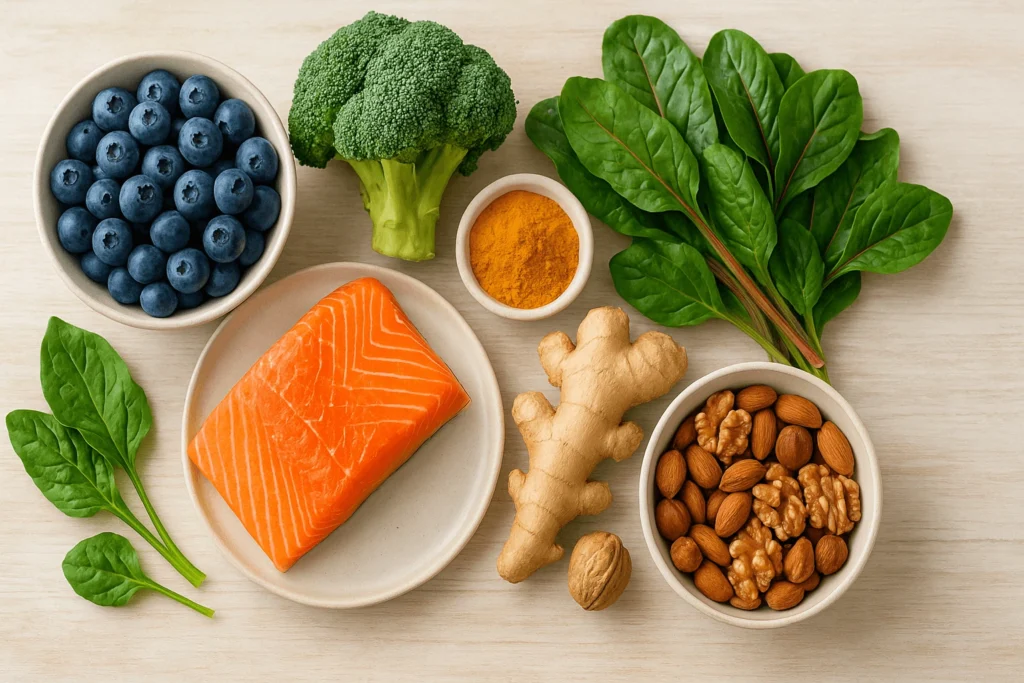
This is the cornerstone of managing inflammation. As Dr. Karim Ali highlights with liver health and Dr. Chatterjee with overall wellness, specific nutrients are key. Focus on adding these powerful anti-inflammatory foods to your plate:
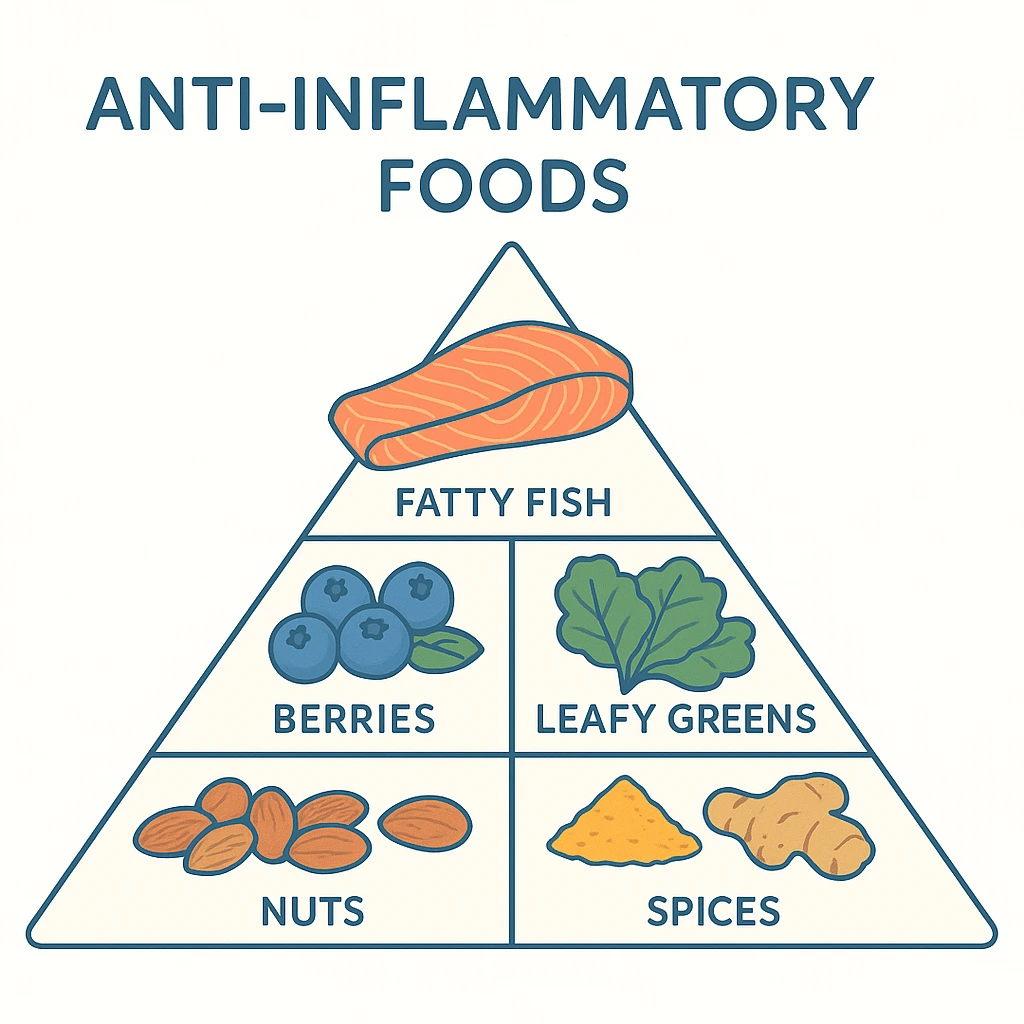
1. Fatty Fish
- Why: Rich in omega-3 fatty acids (EPA and DHA), which are potent inflammation fighters.
- Sources: Salmon, mackerel, sardines, anchovies.
- Goal: 2-3 servings per week.
2. Leafy Greens and Colorful Vegetables
- Why: Packed with antioxidants that neutralize free radicals and reduce oxidative stress.
- Sources: Spinach, kale, Swiss chard, bell peppers, beets, and sweet potatoes.
3. Berries
- Why: Their vibrant colors come from anthocyanins, antioxidants with powerful anti-inflammatory effects.
- Sources: Blueberries, strawberries, raspberries, blackberries.
4. Nuts and Seeds
- Why: Great sources of healthy fats, fiber, and antioxidants. Walnuts and flaxseeds are especially high in ALA, a type of omega-3.
- Sources: Almonds, walnuts, chia seeds, flaxseeds.
5. Core Spices: Turmeric and Ginger
- Turmeric: Contains curcumin, one of the most powerful natural anti-inflammatory compounds. Pro Tip: Always combine with black pepper to boost its absorption by 2,000%.
- Ginger: Contains gingerol, which has been shown to reduce inflammation and pain.
6. Healthy Fats
- Extra Virgin Olive Oil: Contains oleocanthal, which has effects similar to ibuprofen.
- Avocado: Rich in monounsaturated fats and antioxidants.
Beyond the Plate: Lifestyle Changes to Reduce Inflammation
Holistic Habits for Lasting Results
Diet is critical, but it’s only one piece of the puzzle. For a complete solution on how to reduce inflammation in the body, integrate these habits:
- Prioritize Sleep: Aim for 7-9 hours of quality sleep per night to allow your body to repair.
- Manage Stress: Practice mindfulness, meditation, deep breathing, or yoga to lower cortisol levels.
- Move Regularly: Find a balance. Brisk walking, cycling, and strength training are excellent. Avoid chronic, intense cardio which can be pro-inflammatory.
- Stay Hydrated: Water is essential for flushing out toxins and supporting all bodily functions.
- Cultivate Gut Health: A healthy gut microbiome is crucial for managing inflammation. Eat fermented foods like yogurt, kefir, and sauerkraut, and plenty of fiber.
Putting It All Together: A One-Day Anti-Inflammatory Meal Plan
Sample Meal Plan for a Day
- Breakfast: Golden Gut-Soothing Smoothie (Spinach, 1/2 cup blueberries, 1 tbsp flaxseed, 1 tsp turmeric, pinch of black pepper, almond milk).
- Lunch: Mediterranean Quinoa Bowl (Quinoa, grilled chicken or chickpeas, cherry tomatoes, cucumber, red onion, Kalamata olives, lemon-herb vinaigrette with olive oil).
- Snack: A handful of almonds and an apple.
- Dinner: One-Pan Roasted Salmon and Asparagus (Salmon fillet with lemon, dill, and roasted asparagus spears drizzled with olive oil).
Frequently Asked Questions (FAQ)
What is the fastest way to reduce inflammation in the body?
The most immediate dietary change is to eliminate processed foods, sugar, and refined oils while dramatically increasing your intake of omega-3s (from fish) and antioxidants (from colorful vegetables and berries). Staying hydrated and getting a good night’s sleep also provide relatively fast benefits.
What are the worst inflammatory foods?
The top culprits include:
- Sugar and high-fructose corn syrup
- Refined carbohydrates (white bread, pastries)
- Processed meats (hot dogs, sausage)
- Trans fats (found in some margarines and fried foods)
- Excessive alcohol
Can you test for chronic inflammation?
While there is no single perfect test, doctors can look at biomarkers in blood tests, such as C-reactive protein (CRP), homocysteine, and ESR (erythrocyte sedimentation rate), which can indicate an inflammatory state.
Your Journey to a Less Inflamed, More Vibrant Life Begins Now
Chronic inflammation doesn’t have to be your normal. By understanding the root causes and embracing an anti-inflammatory lifestyle centered on whole foods, stress management, and restorative sleep, you give your body the resources it needs to heal. Start small—incorporate one new food from this list today, take a 15-minute walk, or go to bed 30 minutes earlier. Your body will thank you.
By following these steps on how to reduce inflammation in the body, you’re taking control of your health starting today.
Ready to take the next step? Explore our collection of Recipes designed to make your journey delicious and simple!
2 thoughts on “How to Reduce Inflammation in the Body: The Ultimate Science-Backed Guide to an Anti-Inflammatory Lifestyle”